

Aa Reading preferences
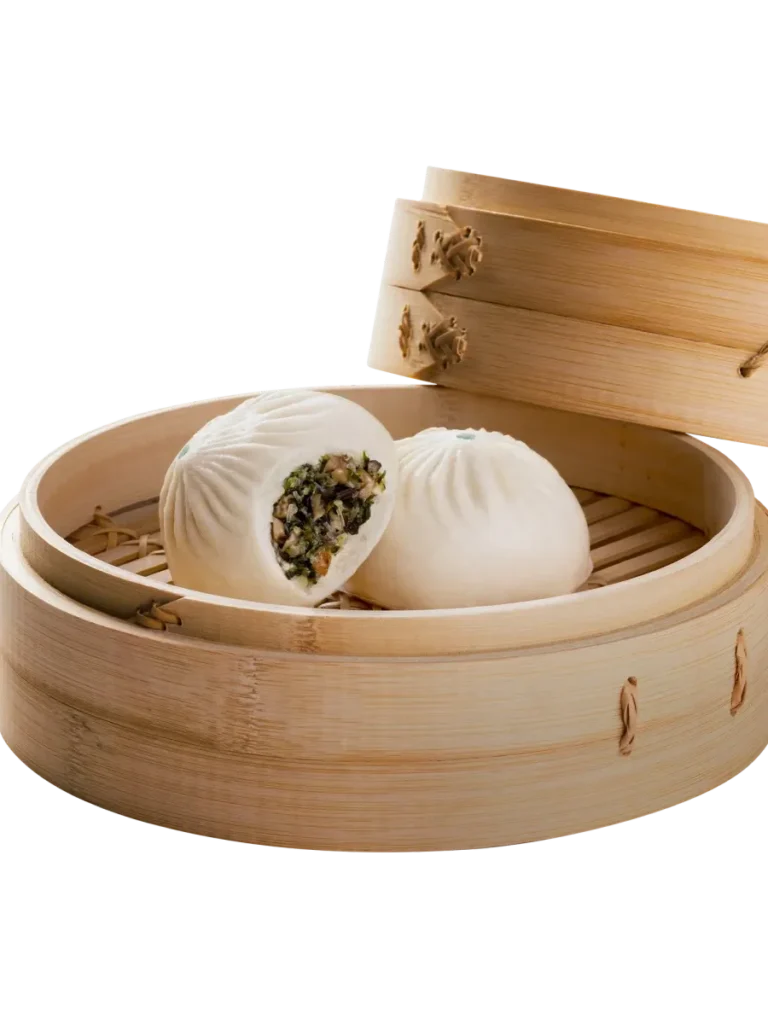
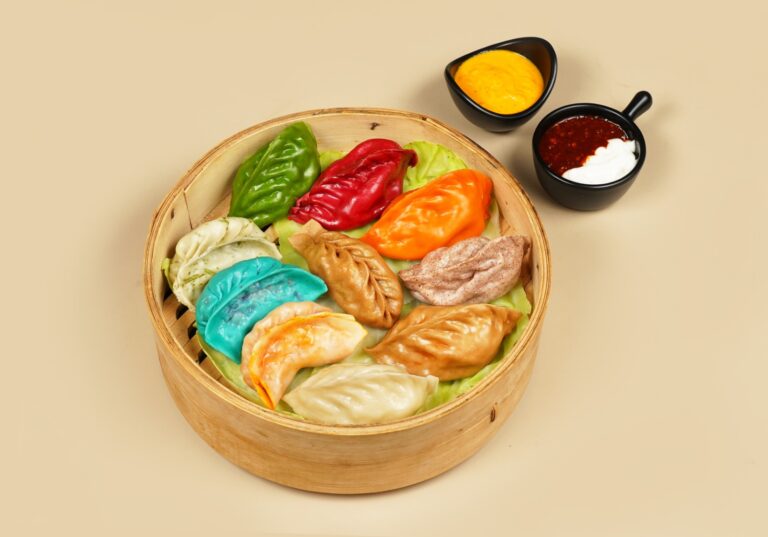
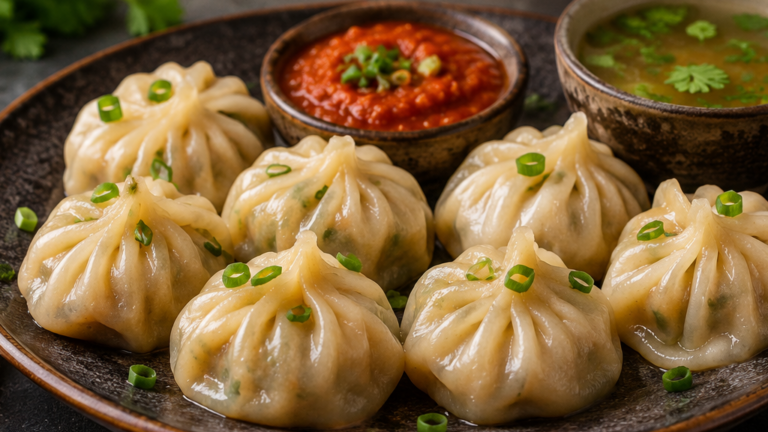
Two delicious things can arrive at the table in bamboo steamers and still be quite different. Momos are typically thin-wrapped, filled dumplings associated with Himalayan food traditions; bao buns are generally associated with Chinese steamed-bread traditions. When someone says ‘bao’, though, they might mean a filled, fluffy baozi or an open folded steamed bun.
That small distinction solves much of the confusion. Compare the dough, bite and serving style rather than only the steamer they arrive in.
The quickest comparison
| What to notice | Momos | Bao buns / baozi |
|---|---|---|
| Dough | Usually thin, more dumpling-like | Often thicker and yeast-leavened |
| Texture | Tender, slightly chewy wrapper | Soft, airy, bread-like crumb |
| Shape | Pleated pouch or crescent | Filled round bun or folded pocket |
| Filling | Vegetable, paneer, meat and other regional variations | Vegetables, meat, mushrooms or other fillings |
| Cooking | Often steamed; pan-seared and fried styles exist | Commonly steamed; other preparations exist |
These are tendencies, not universal rules. Both food families contain many regional and modern variations.
Why the dough changes the whole experience
Momo wrappers are often rolled thin so the filling, folds and dipping sauce remain central to each bite. The dough may be as simple as flour and water. In baozi, a leavening process commonly creates a puffier dough around the filling. That produces a softer, bread-like mouthfeel and a greater dough-to-filling ratio.
A filled steamed bun is therefore not simply a ‘large momo’. It brings a different dough process, texture and eating experience. If you are comparing by appetite, remember that the size and quantity of each piece can vary enormously between restaurants.
Are all bao buns filled?
No. The English menu term ‘bao bun’ can be imprecise. Baozi usually refers to a filled steamed bun. A folded gua bao-style bun is often presented as a pocket with ingredients layered inside or between the folds. An unfilled steamed bun is yet another format. Ask what the menu means rather than assuming every bun conceals a dumpling-like centre.
What does the first bite feel like?
Choose momos when you want a distinct wrapper, generously seasoned filling and the bright contrast of chilli-tomato or sesame-based dips. Choose bao when you are in the mood for pillowy bread that carries a filling, glaze or crunchy garnish. Both can be vegetarian; neither is automatically vegan or gluten-free.
For someone who dislikes very spicy food, the sauce choice can matter more than the dumpling itself. Asking for a dip on the side keeps the first bite under your control.
How to order both in one meal
For a tasting table, start with steamed vegetable momos so everyone notices the filling and wrapper texture. Then add a bao with a contrasting filling, such as mushrooms or seasoned vegetables. Serve sauces separately to avoid masking the dough. A clear soup or a lightly dressed vegetable side makes it easier to compare without overloading the table with heavy flavours.
Curious about the wider family? Read the Momo Delights guide to momos and dumplings, then check the current menu for products and outlet availability.
Common misunderstandings
Is bao just a Chinese name for momo? No. They are different dishes with distinct historical culinary settings and typical dough methods.
Are all bao buns sweet? No. Savoury bao and baozi are common.
Do momos always contain meat? No. Vegetable and paneer fillings are popular, among many other variations.
Can both use wheat? Yes. Check ingredients and cross-contact if you avoid gluten.
A note on cultural precision
Food names travel and adapt across regions. Restaurants may use ‘dumpling’, ‘bao’ or ‘bun’ as menu shorthand. The most respectful and useful explanation names the dough and presentation in front of you instead of claiming one country owns every variation. Himalayan momo traditions and Chinese steamed-bread traditions are both rich enough to deserve that care.
Further reading: Momo Delights, Our Story; Momo Delights, momo and dumpling distinctions; Ingredient and allergen information.

Leave a comment