

Aa Reading preferences
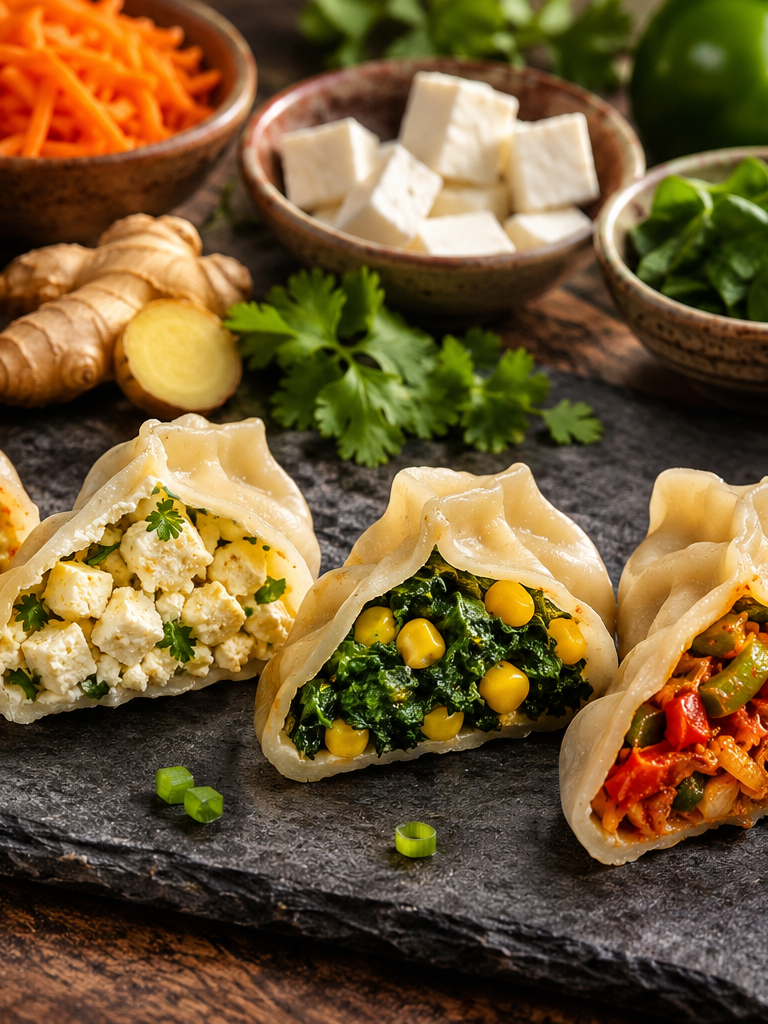
Most conventional momos made with wheat-flour wrappers are not gluten-free. The filling may be cabbage, carrot, paneer or tofu, but a vegetable filling does not change what is in the wrapper. That distinction matters for anyone with coeliac disease or another medical need to avoid gluten.
A different-flour momo is possible. Whether it is suitable for a gluten-free diet depends on every ingredient, seasoning and preparation surface—not the wrapper name alone.
Where gluten usually enters a momo
Traditional-style momo wrappers commonly use wheat flour and water. Wheat contains gluten-forming proteins that give dough elasticity, allowing it to stretch around a filling and hold a pleated shape. White refined flour and whole-wheat flour both come from wheat, so neither is naturally gluten-free.
Gluten may also appear in sauces or other components. Some soy sauces contain wheat; coatings or breadcrumbs on crispy momos may add another wheat source. Even when a tomato-chilli chutney seems simple, its actual commercial ingredients must be checked.
What about rice, millet, ragi and other alternative flours?
Rice flour, maize flour, chickpea flour and some millet flours are naturally free of gluten as individual ingredients, but they behave differently from wheat dough. Without gluten’s elasticity, a wrapper may crack more easily or need a different hydration and binding technique. Ragi (finger millet) and other millets are not a direct one-for-one substitute for wheat in every momo recipe.
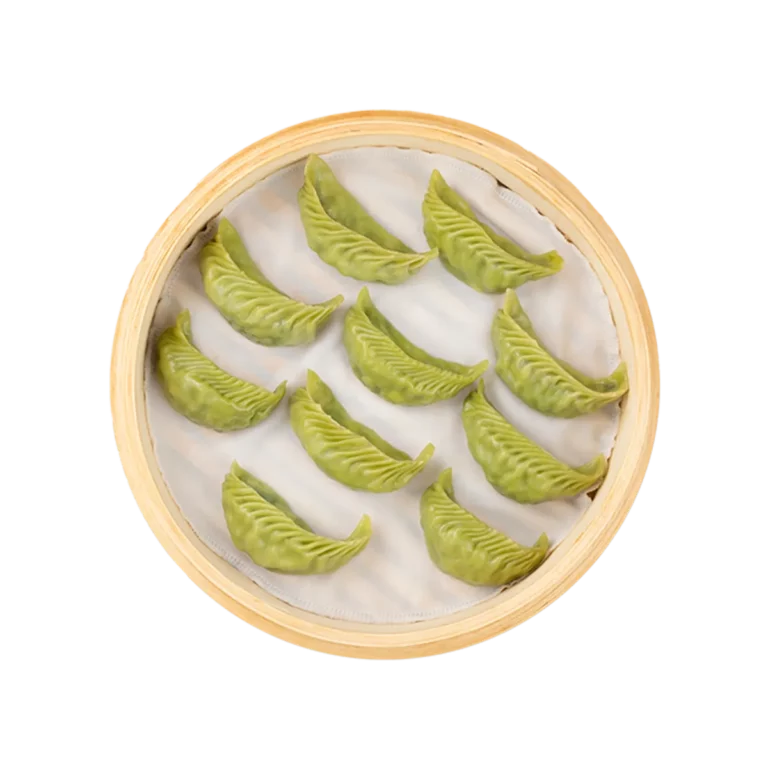
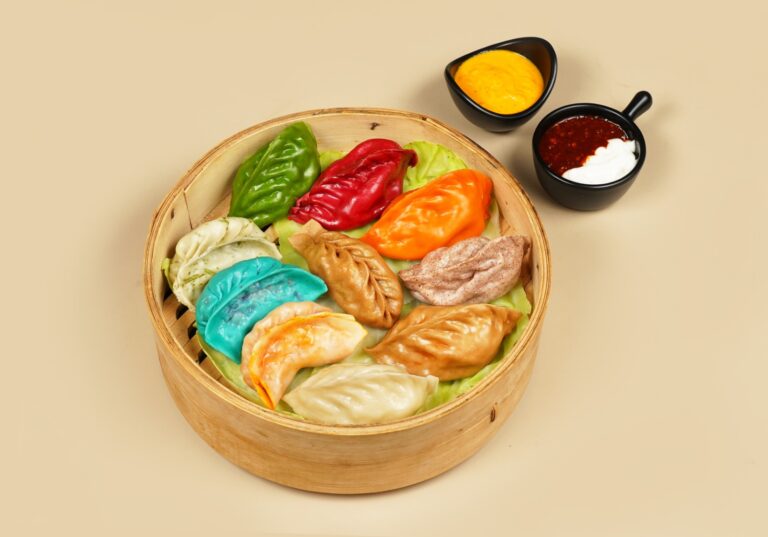
A package saying “ragi momo” may still combine ragi with wheat flour for structure. Similarly, a coloured beetroot wrapper may use ordinary wheat flour with beetroot juice. A prominent front-of-pack word is not a complete ingredient statement.
Wheat-free and gluten-free do not mean exactly the same thing
Gluten occurs in wheat, barley and rye. Something without wheat may still contain barley or rye ingredients or experience gluten cross-contact. The Celiac Disease Foundation specifically warns that wheat-free products are not necessarily gluten-free and recommends careful ingredient and cross-contact checks.
Conversely, a person with a wheat allergy and a person with coeliac disease do not necessarily require identical precautions. For medically necessary avoidance, follow personal advice from a qualified healthcare professional rather than using restaurant terminology as a diagnosis.
Cross-contact: the question that a flour swap cannot answer
A kitchen may mix wheat dough on a counter, dust a rolling pin with flour, share a sieve or reuse a steamer liner. Fine flour can reach other ingredients and utensils even when the alternative wrapper itself contains no wheat. A shared fryer used for wheat-breaded items is another possible route.
The Celiac Disease Foundation lists shared utensils, preparation surfaces, fryers and storage containers among cross-contact concerns. For someone with coeliac disease, the kitchen needs to be able to explain its controls rather than merely say “we used rice flour.”
A practical ordering script
Ask, “Does this specific momo use a wrapper made entirely without wheat, barley or rye? Is the chutney also gluten-free, including any soy sauce? What shared surfaces, utensils, steamers and fryers are used? Can you verify the current recipe or pack ingredient list?”
If the outlet cannot answer, do not assume the food is suitable for strict gluten avoidance. You can consult Momo Delights’ published allergen guidance, which identifies wheat and gluten-related concerns, and contact the outlet for product-specific information. This article does not claim Momo Delights products are gluten-free.
How to experiment at home
If you are exploring non-wheat wrappers for general culinary interest, start with a recipe developed specifically for the flour blend rather than replacing every gram of wheat in a normal dough. Test a small number of dumplings for rolling strength, seal integrity and steaming performance. Be clear about the ingredients when serving to guests.
If the meal must be safe for a person with coeliac disease, use appropriately verified ingredients and prevent cross-contact throughout the kitchen. Making one flour change is not enough.
Questions diners often ask
Are whole-wheat momos gluten-free?
No. Whole wheat contains gluten.
Are vegetable momos always gluten-free?
No. A vegetable filling often comes in a wheat-based wrapper.
Does MSG contain gluten?
Glutamate and gluten are unrelated substances. The FDA explains that the names should not be confused; the other ingredients in a dish still need checking.
Are rice wrappers automatically safe for coeliac disease?
No. Ingredient verification and cross-contact controls are still required.
For related information on Himalayan momos, see How to Choose Flour for Momo Wrappers Based on Texture and Preventing Vegan and Allergen Cross-Contact in a Shared Momo Kitchen. Regional preparations and customs can differ.

Leave a comment