

Aa Reading preferences
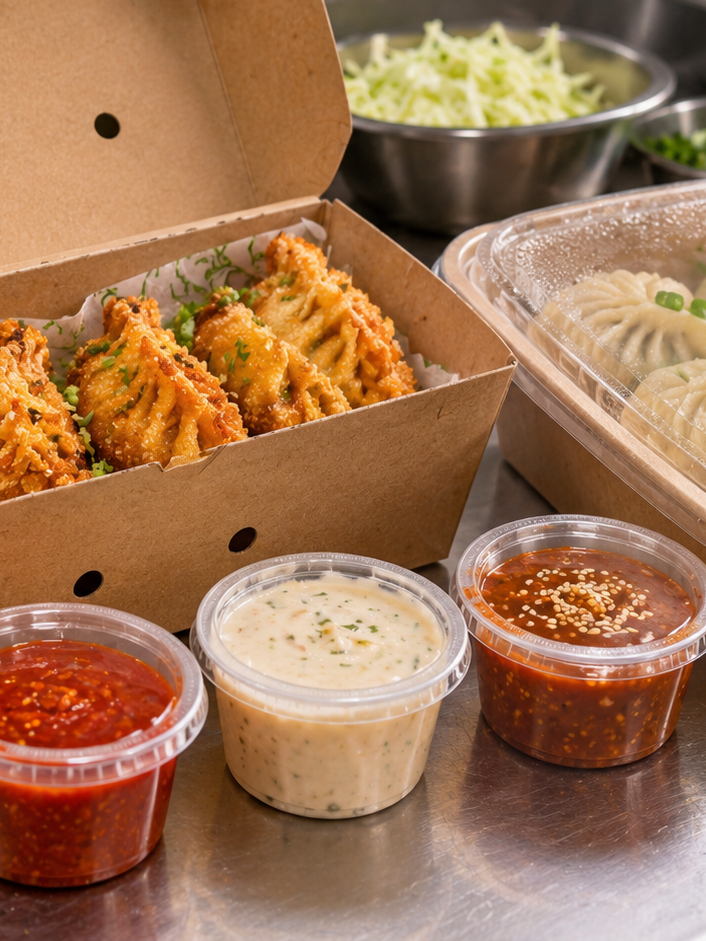
A takeaway box arrives while everyone is still busy. The momos sit on the dining table, then someone asks whether they are still fine for a late snack. The answer depends on time, temperature and how the food was handled, not whether the wrapper still smells appetising.
For perishable cooked takeaway foods, the USDA and CDC give a useful household benchmark: refrigerate within two hours, reduced to one hour when the surrounding temperature is above 32°C/90°F. The clock matters from the period the food is outside safe hot or cold temperature control, not merely from when you open the lid.
The simple takeaway rule
Perishable cooked foods should not remain in the temperature “danger zone” for long. The CDC describes that zone as approximately 4–60°C (40–140°F), where harmful bacteria can multiply rapidly. Refrigerate food at or below 4°C/40°F or hold it properly hot at or above 60°C/140°F under the cited US guidance. In Indian food businesses, follow the applicable FSSAI requirements and the outlet’s validated SOPs.
At normal room conditions: refrigerate perishable food within two hours. Above 32°C/90°F: the limit falls to one hour. These are general household guidelines, not an assurance that food left out until the exact deadline is always safe.
The clock starts before you reach home
Consider the full period after food is cooked and no longer held at a verified safe temperature: packing, waiting at the counter, riding in a car or delivery bag and sitting on the table. A closed box or insulated carrier is not proof of safe hot holding unless the product temperature is actually controlled.
For example, if food spends 40 minutes on delivery and another 90 minutes on the counter without safe temperature control, the total is about two hours and ten minutes. That exceeds the ordinary two-hour household guideline. The numbers are illustrative; actual handling may be unknown.
Why smell and appearance cannot answer
Some harmful bacteria and toxins may not cause a noticeable bad smell or a change in colour. The USDA advises discarding perishable food left out too long even when it looks or smells normal. Do not take a taste to “test” it, and do not assume a spicy chutney prevents bacterial growth.
Food that has been mishandled is not always made safe by putting it back in a freezer or by steaming it again.
How to store safe leftovers
- Refrigerate promptly after eating or when you know you will not finish the portion.
- Use clean, shallow containers for quicker cooling.
- Keep sauce and dumplings separate if practical to preserve texture.
- Label the storage date and avoid prolonged repeated warming.
- Use a refrigerator at or below 4°C/40°F.
- Follow more specific product instructions where supplied.
USDA guidance commonly recommends using properly refrigerated leftovers within three to four days, but actual product handling and recipes may call for earlier disposal.
Reheat correctly—but only food that was stored safely
USDA guidance advises reheating cooked leftovers to an internal temperature of 74°C/165°F, measured with a food thermometer. Reheat soups and gravies thoroughly; do not rely on lukewarm steam or browned edges as proof that the centre is hot.
If the food spent an unsafe period on a counter, reheating is not a reliable remedy. The safe choice is to discard it rather than trying to erase the past temperature history.
What about paneer, vegetable and crispy momos?
All are potentially perishable after cooking. Paneer adds a dairy ingredient, but a vegetable-filled momo with moist cabbage and a wheat wrapper still needs appropriate handling. Fried and kurkure coatings can seem dry on the surface while the filling remains moist. Cooking method and spice level do not exempt food from temperature rules.
Sauces also differ: yoghurt dips, nut-based sauces and fresh chutneys may be perishable. Ask the outlet about storage instructions and read Momo Delights’ allergen information for ingredient considerations.
A practical decision table
| Situation | What to do |
|---|---|
| Just delivered and eating now | Serve promptly and refrigerate unwanted portions soon |
| Safe temperature history, meal postponed | Move to appropriate refrigeration promptly |
| Warm car or picnic above 32°C | Apply the stricter one-hour household benchmark |
| Box left overnight at room temperature | Discard perishable food |
| Unknown delivery or holding history | Ask supplier; do not infer safety from smell |
| Safely chilled leftovers | Reheat thoroughly to 74°C/165°F |
For useful background on Himalayan food and momo varieties, read Food-Safe Momo Takeaway Boxes: Venting, Heat and Leak Tests and Hold Cooked Momos During Restaurant Service: Safety and Texture. Regional techniques and ingredients may vary.
Frequently asked questions
Can I eat momos left out overnight?
No. Perishable cooked food left at room temperature overnight should be discarded.
Do spicy momos last longer outside the fridge?
Not reliably. Chilli is not a validated food-safety control.
Can I refrigerate hot momos?
Yes. Divide into shallow portions to help them cool; do not leave them out for hours first.
Does reheating make unsafe leftovers safe?
No. Some hazards may persist after cooking, so unsafe time-temperature exposure should not be ignored.

Leave a comment