

Aa Reading preferences
An Asian-inspired quick-service menu can feel like a collection of similar dough names until you know what to look for. The most useful clues are not fancy descriptions but four practical questions: What is the dough like? Is it filled? How is it cooked? How is it served?
Those questions help you distinguish a steamed momo from a fluffy bao, a broth-based wonton soup and a crunchy spring roll. They also make it easier to ask about ingredients without assuming one dish has a fixed recipe everywhere.
The short menu dictionary
| Term | What to expect | Orderer’s tip |
|---|---|---|
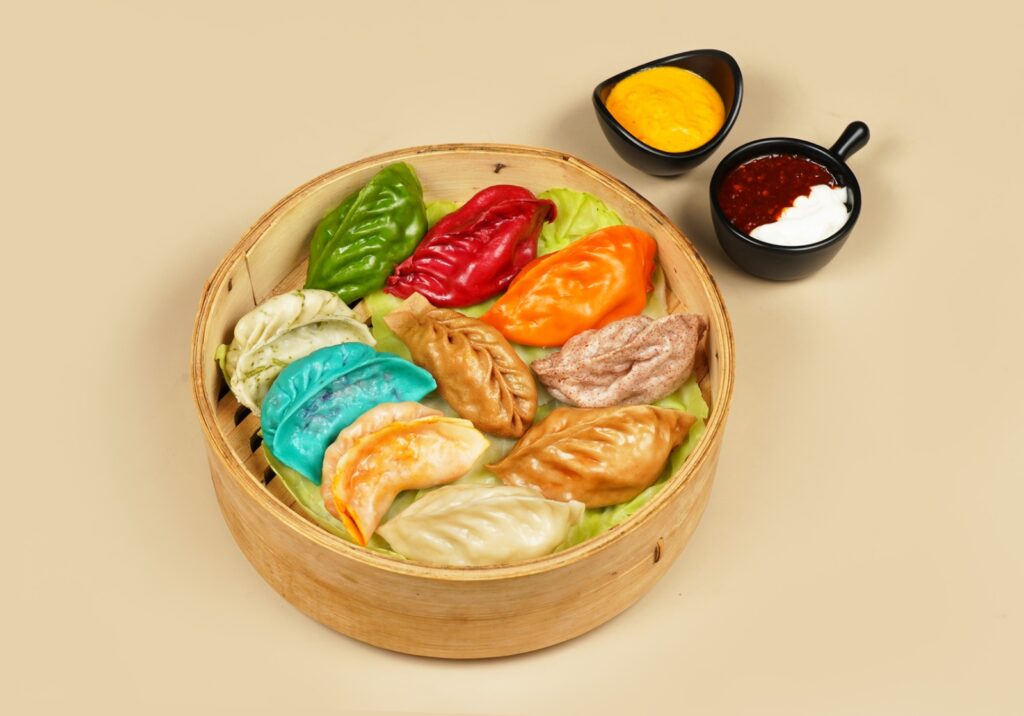
| Momo | Filled dumpling, frequently steamed | Ask about filling and achar |
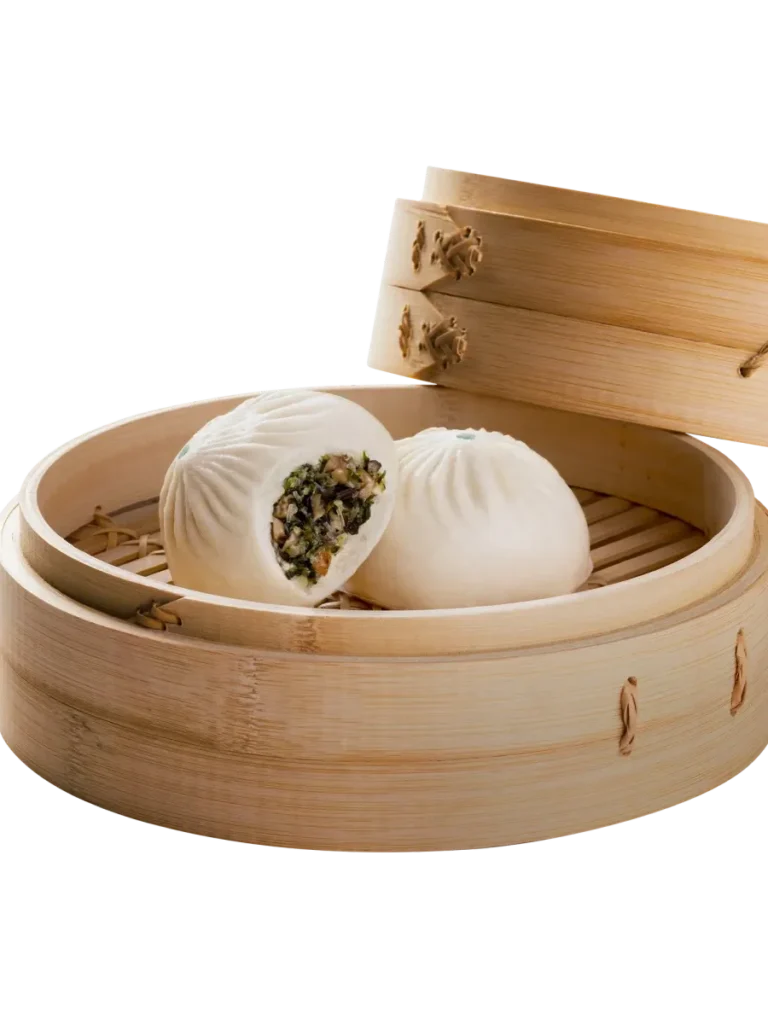
| Bao or baozi | Usually a fluffy steamed bun, often filled | Ask whether it is a bun or open-style modern bao |
| Wonton | Thin-wrapper filled parcel, often in soup | Check broth ingredients |
| Spring roll | Filling wrapped into a roll, often crisp on Indian QSR menus | Confirm fried, fresh or baked preparation |
| Kothey | Often a pan-seared momo with browned base | Eat promptly for crisp texture |
| Kurkure momo | Contemporary crisp-coated dumpling | Ask about coating allergens and sauce |
Cooking words matter as much as dish names
“Steamed” usually signals a softer outer texture, “pan-seared” a browned surface, “deep-fried” a richer crisp shell and “tandoori-style” prominent seasoning or a roasted finish. The same vegetable filling can taste and travel quite differently across these styles. Ask what the kitchen actually does instead of treating every menu term as a standard.
The filling isn’t always visible
Paneer brings milk, tofu brings soy, and regular wheat wrappers contain gluten. Bao and wonton dough formulations vary, and commercially prepared sauces may add further allergens. A dish described as veg is not automatically vegan. If ordering for a person with a food allergy, seek a verified recipe and cross-contact procedure rather than relying on an item name.
Translate the heat level into a question
Some fillings are mild while the chilli lives almost entirely in the dip. Others are tossed in a spicy coating or a strongly seasoned liquid. Ask: “Does the filling itself contain chilli, or is the heat only in the sauce? Can I have the sauce separately?” That’s more useful than judging spice from the photograph.
How to compare a small menu without overordering
Pick one soft item and one contrasting texture: a steamed vegetable momo and a spring roll, or a fluffy bao and a thin wonton. Use sauces sparingly for the first few bites. If the restaurant offers a sampler, check its exact contents, pieces and allergen information.
See the Momo Delights menu for current dishes and check outlet availability. This article explains menu language; it does not promise every term listed is offered by the brand.
For more on the dishes and places behind these flavours, read types of Himalayan momos and Darjeeling momo traditions. Recipes and serving traditions differ across communities.
Frequently asked questions
Are bao and momos the same?
No. Their typical dough, texture and shaping differ.
Is wonton soup vegetarian?
Only if both the filling and broth are vegetarian.
Are spring rolls always fried?
No. Fresh and other preparations exist, so ask.

Leave a comment