

Aa Reading preferences
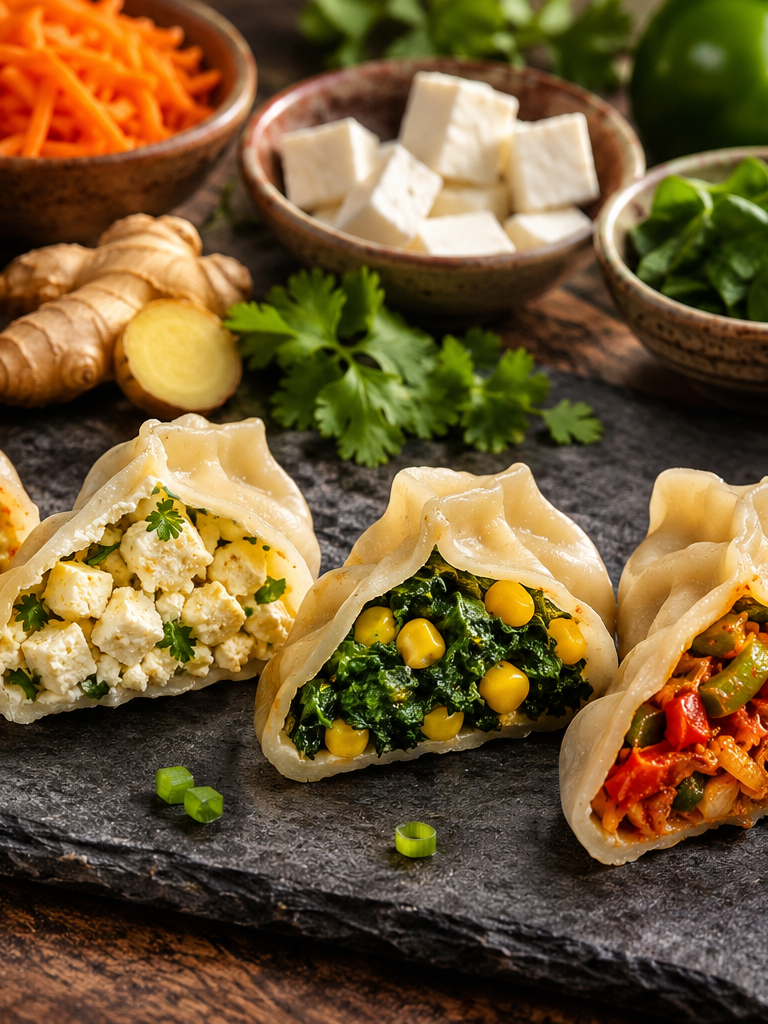
A momo can have a simple vegetable filling and still pose an allergy risk. Wheat may be in the wrapper, milk in a paneer filling, soy in seasoning, sesame or peanuts in a sauce, and shared utensils or fryers can introduce cross-contact. The right approach is not to guess which dish sounds safest. It is to ask clear questions about the exact item, the preparation and the limits of the kitchen.
This guide is for informed communication—not a guarantee that a restaurant can prepare a food that is safe for a particular allergy.
Before you order: identify the allergen and the complete dish
Know the ingredient or ingredients that must be avoided, including names they may have on labels. Ask about the wrapper, filling, marinade, garnish, broth and dipping sauce separately. “No peanuts in the filling” does not answer whether sesame-peanut chutney is served on the side or whether the prep surface is shared.
If you are ordering on someone else’s behalf, ask that person for their precise requirements rather than translating ‘sensitive to dairy’ into an unverified ‘vegan’ request.
Five specific questions that help the kitchen respond
- Ingredient: “Does this exact momo variety contain [allergen] in any component?”
- Batch: “Can you check the current recipe or supplier specification?”
- Equipment: “Are the steamer tray, prep bench, utensils or fryer shared with foods containing it?”
- Sauce: “Can the chutney, garnish and packaging be kept separate without contact?”
- Confidence: “If the ingredients or cross-contact controls cannot be confirmed, please tell me clearly.”
These questions reflect the communication-first advice from Food Allergy Research & Education, including asking how food is prepared and avoiding a dish when you cannot establish confidence.
Why steamed is not automatically allergy-safe
Steaming uses water vapour rather than a shared deep-frying oil, but that does not resolve every cross-contact pathway. A kitchen may use the same tray, tongs, counter or gloves for several fillings. Allergen residues can remain on equipment if cleaning is insufficient. Fried items bring additional concern when oil is shared with other breaded or allergen-containing foods.
The absence of an ingredient in a written recipe is different from evidence that the kitchen controls cross-contact.
Packaged momos: the label is essential
For frozen or packed products, keep the ingredient and allergen statement available and identify the batch. Manufacturing recipes and suppliers may change, so confirm the specific pack rather than relying on a previous purchase. The Momo Delights allergen information explicitly discusses possible allergens and variation by product type, recipe, batch and preparation environment.
A practical conversation with the restaurant
You might say: “I have an allergy to sesame. Could you confirm whether the wrapper, filling, finishing oil and chutney contain sesame, and whether the equipment is shared with sesame-containing foods? If you cannot confirm, please tell me before preparing the order.”
For serious allergies, call at a quieter time and ask for a manager or trained kitchen lead. Consider using an allergy chef card. Do not rely only on a delivery-app comment field or assume that removing the visible sauce removes all exposure.
When the answer is uncertain
It is appropriate for a restaurant to say it cannot safely accommodate a request. That is more useful than an unsupported reassurance. If staff cannot identify ingredients or the kitchen cannot control the relevant cross-contact risk, choose another option. An ingredient label, an allergy card and a conversation improve understanding, but none can create an allergen-free guarantee.
For an introduction to related food traditions, read A Vegetarian Customer’s Checklist for Ordering Asian Snacks and Ordering Momos for the First Time: A Simple Taste and Menu Guide. Recipes and customs vary from place to place.
Frequently asked questions
Are vegetable momos safe for someone allergic to milk?
Not automatically. Fillings, dough, sauces and shared equipment must all be checked.
Is soy sauce always gluten-free?
No. Many soy sauces contain wheat; inspect the specific brand and its label.
Can removing chutney eliminate an allergy risk?
Not necessarily. The ingredient may also be present elsewhere, or cross-contact may already have occurred.
Does vegetarian mean free from allergens?
No. Vegetarian foods may contain milk, soy, wheat, sesame and other allergens.
Sources: FARE — Dining out with food allergies; FARE — Avoiding cross-contact; FDA — Food allergies; Momo Delights — Allergen information.


Leave a comment