

Aa Reading preferences
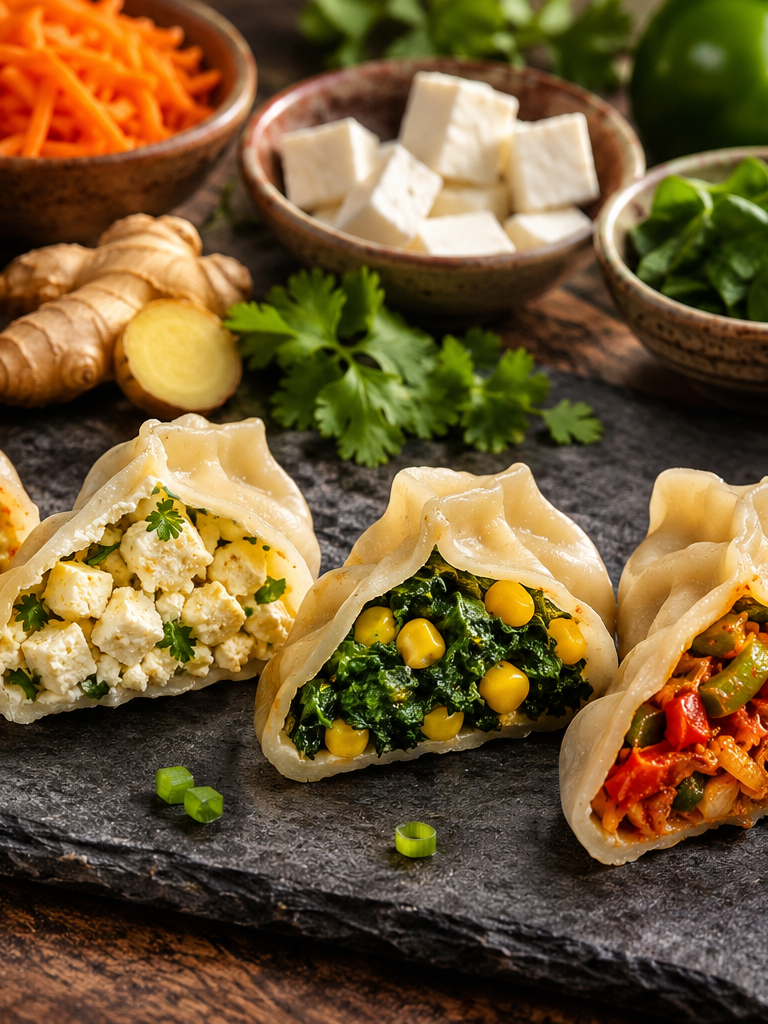
Asian-inspired quick-service menus offer wonderful vegetarian possibilities, but the word “vegetable” tells only part of the story. A cabbage dumpling might arrive in meat-based broth; a tofu snack might be finished with fish sauce; a spring roll could be fried in equipment shared with meat products.
For a vegetarian diner, an easy checklist helps keep ordering enjoyable rather than turning it into a long interrogation. For someone with an allergy, a separate and more stringent ingredient-and-cross-contact conversation is essential.
Ask about every part of the dish
| Menu category | Typical question |
|---|---|
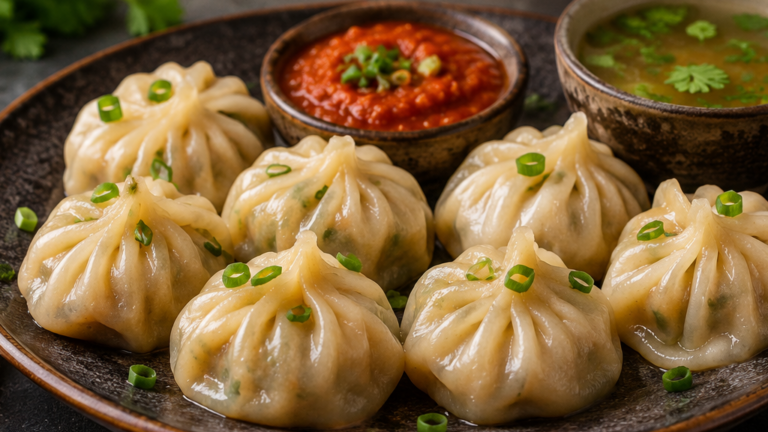
| Momos and dumplings | What is in the wrapper, filling and dip? |
| Wonton or dumpling soup | Is the broth vegetable-based, without meat or seafood stock? |
| Bao or steamed buns | Is the filling vegetarian? What is in the dough? |
| Spring rolls | Is any fish sauce or meat stock used in the filling or dip? |
| Noodle bowls | Does the seasoning contain oyster, fish or meat-derived ingredients? |
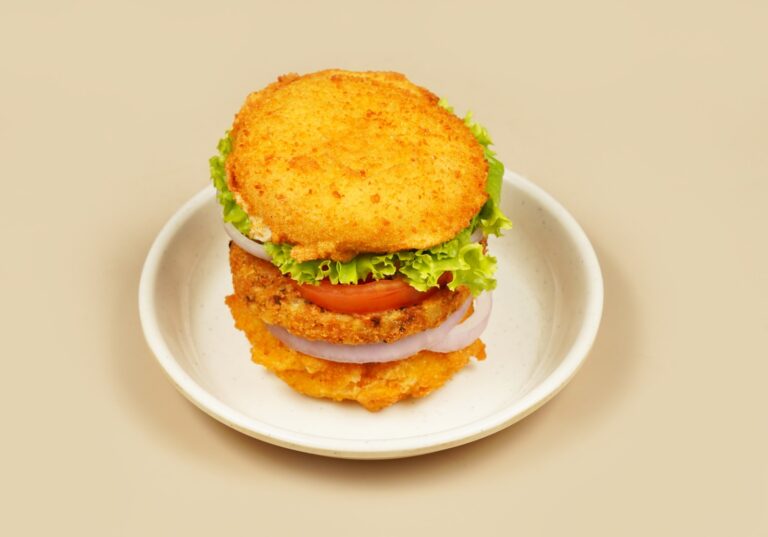
| Crispy snacks | What is in the coating and what cooking oil is shared? |
These are prompts, not claims that every restaurant uses the listed ingredients.
Vegetarian is not vegan
In many Indian dining contexts, vegetarian dishes may contain dairy paneer, cheese or yoghurt. Vegan orders require checking those ingredients, as well as butter, ghee, egg and any animal-derived sauce component. A restaurant’s vegetarian symbol does not automatically disclose every allergen, either.
Broth is the hidden question
One of the most easily missed details is the soup base. A bowl may contain only vegetable-filled dumplings yet use meat, fish or seafood stock. Ask specifically about the broth and garnish. This is especially relevant with wonton soups and richly seasoned noodle dishes.
Sauces can change the answer
Chilli oil may be plant-based, but fish sauce, oyster sauce or animal-derived seasoning can occur in other regional recipes. Some sauces contain sesame, peanuts, soy or dairy, all of which can matter for allergies. “Red sauce” and “green chutney” are descriptions of appearance, not complete ingredient statements.
If the staff cannot verify a prepared sauce, request a clearly suitable alternative or decline it.
A short script to use at the counter
“I eat vegetarian food. Can you confirm this exact dish—including broth, sauce and garnish—contains no meat, fish or seafood ingredients? If it uses paneer or dairy, that is [acceptable / not acceptable] for me. Could you check the current recipe?”
Someone with a medically necessary restriction should name it explicitly and ask about equipment and cross-contact as well.
The takeaway pack adds information
When buying a frozen or packaged snack, read the ingredient list, dietary markings, allergen declaration and instructions. Do not assume the same product has an unchanged recipe across months. The FSSAI’s Eat Right label guidance encourages reading the full label rather than relying on front-of-pack messages.
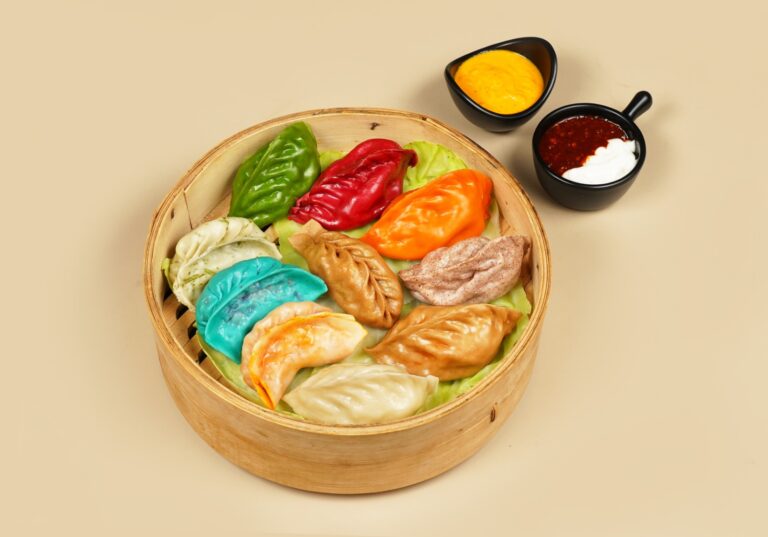
For the current Momo Delights selection, start with the official menu and check item specifics before ordering.
For more on the dishes and places behind these flavours, read Darjeeling momo traditions and Sikkim momo traditions. Recipes and serving traditions differ across communities.
Frequently asked questions
Is tofu always vegan?
Tofu itself is made from soy, but a tofu dish may still contain animal-derived sauces or dairy.
Are vegetable spring rolls automatically vegetarian?
Not without checking the seasoning, broth and any fish-based sauce.
Does vegetarian mean gluten-free?
No. Wheat is a plant ingredient and can be present in wrappers and sauces.

Leave a comment