

Aa Reading preferences
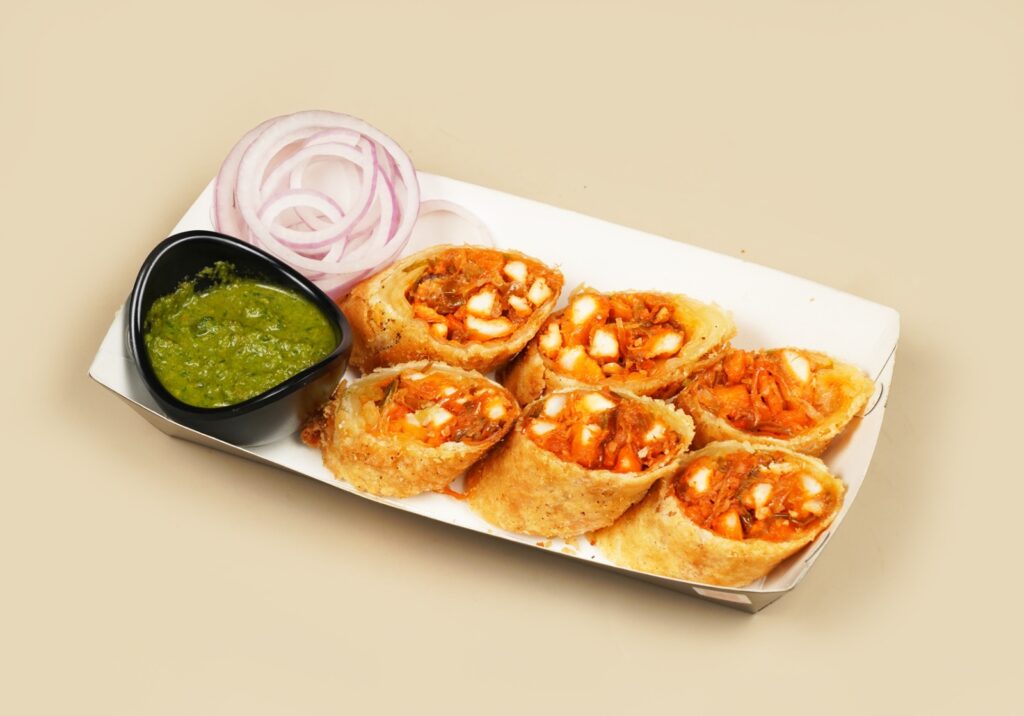
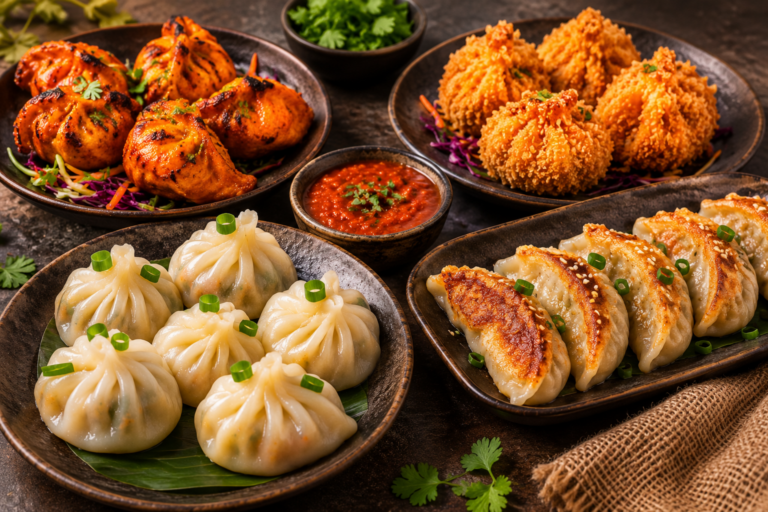
Paneer spring rolls and paneer momos solve two different cravings. One usually offers a crisp, rolled shell around a savoury filling; the other brings a softer dumpling wrapper with a more direct focus on the centre. They may share a familiar paneer-and-vegetable flavour profile, yet the cooking method changes almost everything about the bite.
Here is how to compare them without assuming that every restaurant uses the same recipe.
The wrapper is the first big difference
A spring roll is usually assembled by spreading filling along a thin wrapper and rolling it into a compact cylinder, with the ends folded in. Many restaurant versions are fried until crisp, although baked and fresh variations exist. A momo is commonly made from a small flour dough round, filled and sealed into a crescent or pleated pouch, often steamed.
That means the spring roll’s shell tends to fracture with a crunch, while a steamed momo wrapper yields more gently. If you prefer a lighter-feeling texture, choose by cooking method, not only by the dish name.
Paneer fillings are not identical everywhere
Spring rolls may combine finely diced paneer with cabbage, carrot, spring onion and a savoury sauce. Momo fillings may use crumbled paneer, finely chopped vegetables and ginger-forward seasoning. Restaurants vary their spices and sauces, so the filling cannot be predicted from the word ‘paneer’ alone.
Both are dairy-containing when made with ordinary paneer. Wheat is common in many wrappers, and soy sauce or other seasonings may introduce additional allergens. Ask about the exact preparation.
Steamed momo or crisp spring roll: a quick comparison
| Feature | Paneer momos | Paneer spring rolls |
|---|---|---|
| Typical shape | Pouch or crescent | Rolled cylinder |
| Typical finish | Steamed, also other styles | Often fried until crisp |
| Mouthfeel | Soft wrapper around filling | Crunchy shell around filling |
| Best for | People who enjoy dumplings and dips | People who prefer crisp handheld snacks |
| Takeaway | Can soften or dry during travel | Crunch may soften from steam |
Which is healthier?
Neither dish has a fixed calorie or protein value. Quantity of paneer, wrapper weight, cooking oil, serving size and sauce all matter. A steamed momo and a deep-fried roll are prepared differently, but that alone cannot tell you the nutrient profile of a particular product. For dietary choices, ask for the actual ingredients and available nutrition information.
If you want variety, serve a smaller portion of each with fresh vegetables and a sauce on the side. That way the meal is about texture and flavour rather than a vague good-food/bad-food label.
What should you order for a group?
If the table includes dumpling lovers and crunchy-snack fans, a mixed platter is often more enjoyable than buying twice as much of one style. Start by tasting one piece without sauce. Then try a small amount of red chutney, herb dip or a mild tomato sauce to understand how each responds.
Check the Momo Delights menu for actual current offerings. Availability and portion details should always be confirmed at the specific outlet.
Food allergy and takeaway checks
Paneer contains milk. Some wraps and seasonings may contain wheat, soy or sesame; cross-contact can occur during prep or frying. The Momo Delights allergen page explains why ingredient and batch checks matter. For takeaway, keep wet sauces separate when practical and eat promptly to enjoy the intended texture.
FAQs
Do all paneer spring rolls contain noodles?
No. Recipes vary, and noodles are not required.
Are paneer momos always steamed?
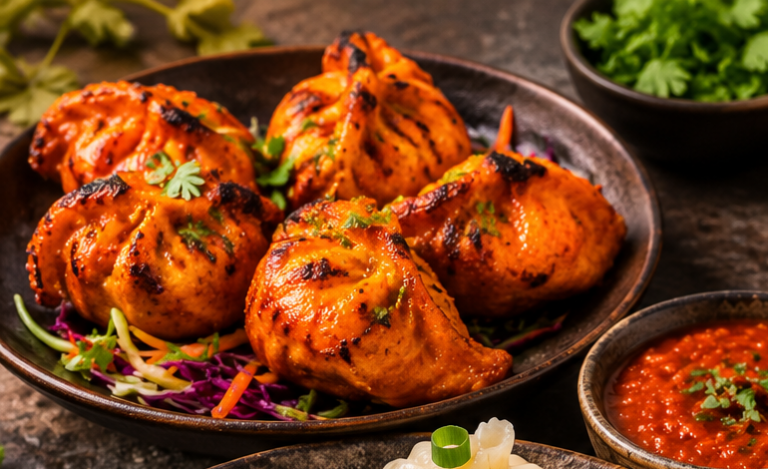
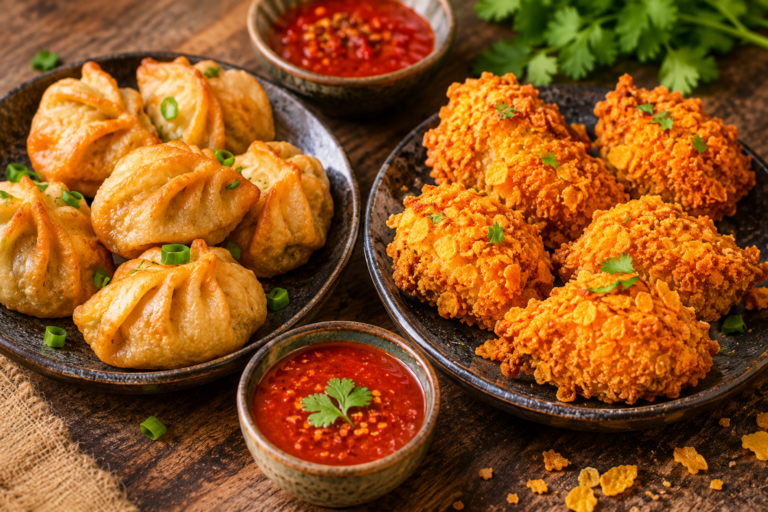
No. Pan-seared, fried and spiced preparations exist.
Are either vegan?
Not when made with conventional dairy paneer.
Further reading: Momo Delights, dumpling comparison; Momo Delights, allergy guidance.
For cultural context around these dishes, explore Paneer Spring Rolls Explained: Filling, Crunch and Dipping Sauces and Paneer vs Tofu Momo Filling: Texture, Allergens and Cooking Choices. Regional interpretations and preparation methods may differ.

Leave a comment