

Aa Reading preferences
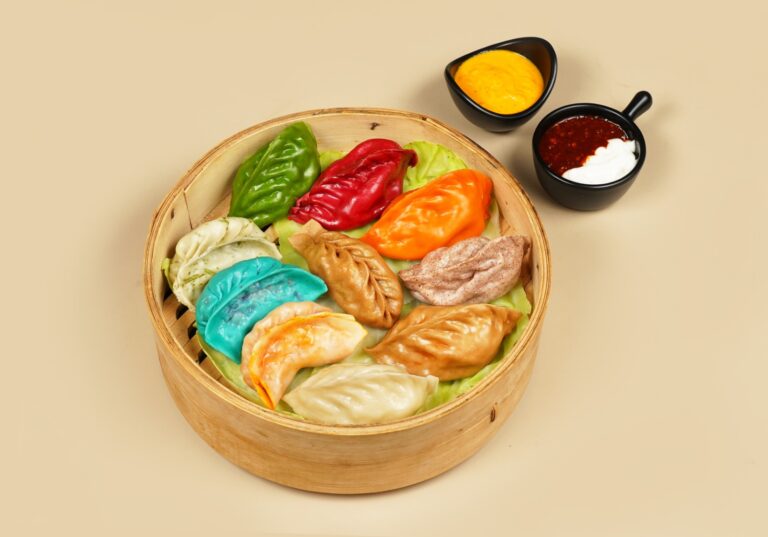
Momos and gyoza are close enough to invite comparison: both wrap savoury filling inside thin dough, and both can be folded into a crescent. Yet they offer different culinary experiences. Gyoza has a particularly familiar pan-fried presentation in Japan, while a steamed momo with chilli-tomato achar remains a classic reference point for Himalayan dumpling cooking.
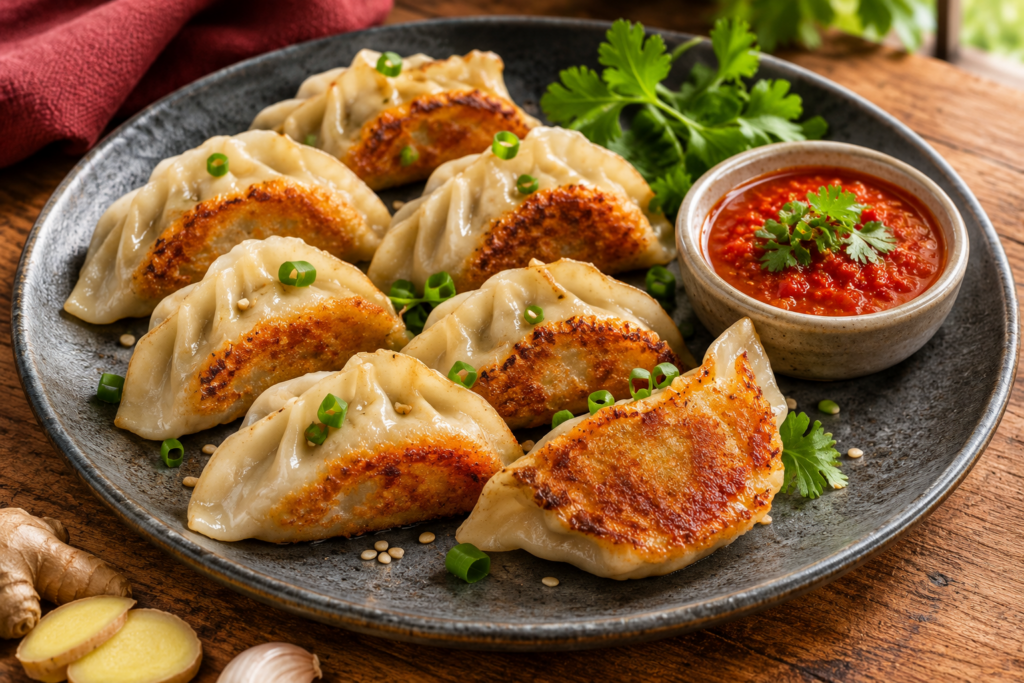
The overlap becomes interesting with kothey momos, which develop a browned base while retaining a softer top. That does not turn kothey into Japanese gyoza; it shows how neighbouring dumpling traditions can use similar cooking principles.
Start with the real distinction
Gyoza is the Japanese form of a dumpling related to Chinese jiaozi. According to Japan-Guide, yaki gyoza—pan-fried gyoza—is particularly common in Japan, while boiled and deep-fried types also exist. Momos are connected with Himalayan food traditions, including Tibetan and Nepali preparations, and are often steamed before serving with an aromatic dip.
Neither is a single fixed recipe. Restaurants and home cooks innovate with vegetables, mushrooms, paneer, tofu and other ingredients.
Wrapper and bite
| Feature | Momos | Gyoza |
|---|---|---|
| Common shape | Round pouch or pleated crescent | Crescent with pleated seam |
| Wrapper character | Often rolled by hand, slightly chewy | Typically thin, developed for tender or crisp finish |
| Often associated cooking | Steaming | Pan-frying and steaming |
| Common accompaniments | Tomato-chilli or sesame-based achar | Soy-vinegar-style dipping sauces |
The exact skin thickness depends on the maker. A machine-produced momo wrapper may be finer than a hand-rolled one, and a thick gyoza wrapper is possible.
Why a pan gives gyoza two textures
For pan-fried yaki gyoza, the dumplings brown against a lightly oiled pan, then steam under a lid after water is added. A final evaporation stage restores the crust underneath. Some versions form a lacy, connected “wing” of crisp batter. The Japan Prepared Foods Association notes pan-fried gyoza are the most popular type in Japan and lists boiled and fried alternatives.
Kothey momos also combine pan-searing with steam, though folding, filling, seasoning and sauce traditions may differ. Similar technique does not erase cultural distinction.
What should a beginner order?
If you want a clean first taste of a Himalayan-style filling, begin with steamed momos and dip a little at a time. If you want a browned underside against a soft upper wrapper, try kothey or yaki gyoza in their respective settings. A tasting plate is most revealing when the dumplings are eaten immediately after cooking; delayed takeaway can soften the crisp base.
To understand the momo version in more detail, see Momo Delights’ momos-and-dumplings comparison.
Dietary questions
Regular wrappers often contain wheat. Gyoza dipping sauces may use soy sauce, sometimes containing wheat, and momo fillings can include milk-based paneer. Vegan, vegetarian and gluten-free status depends on the complete dish and preparation environment, not the name. Check ingredient and cross-contact information before ordering for someone with an allergy.
For further food and cultural background, see Himalayan food traditions. Food traditions and variations differ across communities.
Frequently asked questions
Are gyoza always fried?
No. Boiled and deep-fried varieties also exist, although pan-fried gyoza is particularly popular in Japan.
Are kothey momos the same as gyoza?
No. They can share a pan-searing-and-steaming technique while differing in culinary context and recipe.
Which is crispier?
That depends on the cooking style and whether the dumplings are served straight from the pan.


Leave a comment