

Aa Reading preferences
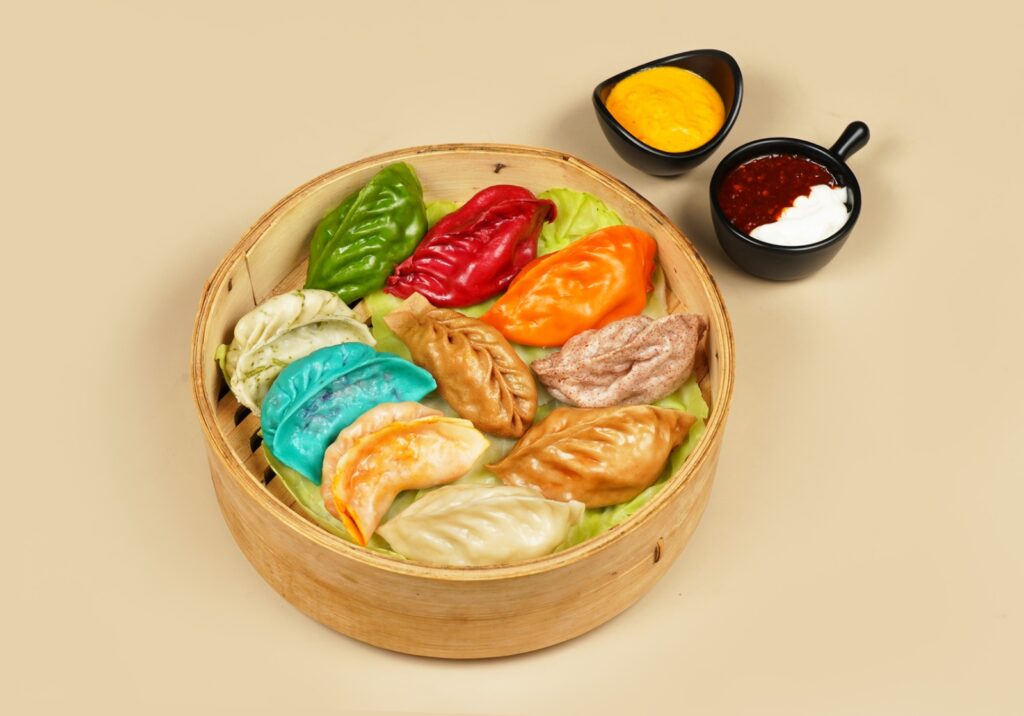
One of the pleasures of an ambitious momo menu is that the same basic idea can become a completely different bite. A tender steamed dumpling puts the filling first. A spiced preparation adds aromatic intensity. A crispy finish changes the sound, texture and sometimes the way a chutney behaves.
Instead of choosing by the most colourful photograph, decide what you want from the first bite: delicacy, seasoning or crunch.
The three experiences at a glance
| Style | Best known for | What to check |
|---|---|---|
| Steamed | Soft wrapper and clear filling flavour | Filling ingredients, moisture and dipping sauce |
| Spiced/tandoori-style | Marinade, roasted aroma and bold finish | Heat level, dairy in marinade and cooking method |
| Crispy, fried or kurkure | Crunch and browned exterior | Coating allergens, oil and whether sauce softens it |
These are broad style descriptions. Products may combine methods, and the final recipe belongs to the actual kitchen.
When steamed is the better first choice
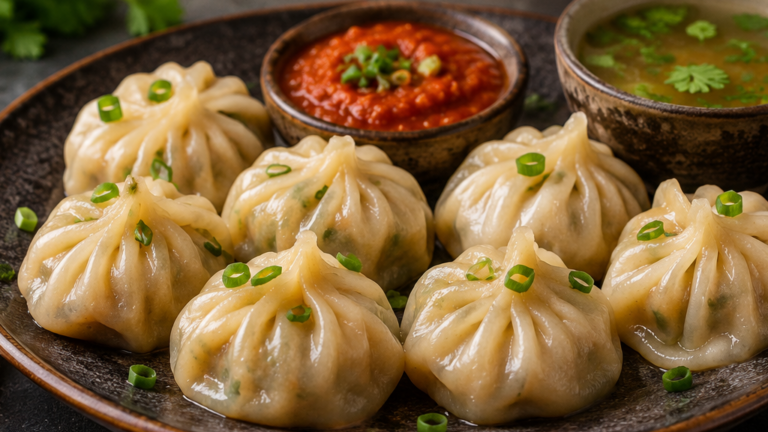
Choose steamed if you are unfamiliar with the filling, want to compare vegetable and paneer variants, or prefer sauce on the side. A well-made wrapper should be tender yet strong enough to hold the filling. Steaming itself need not add much extra oil, although oil can still be present in the dough or filling.
Pay attention to the filling before applying a strong dip. Ginger, cabbage, onion, mushroom and paneer taste very different without chilli sauce covering them.
When bold spicing is the point
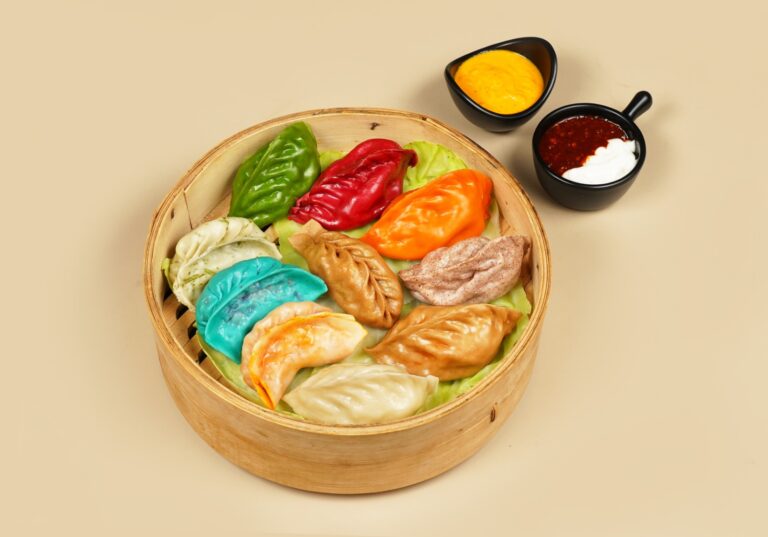
A tandoori-style preparation can introduce marinade, seasoning and a roasted finish. It may carry more heat and sometimes dairy-based components such as yoghurt. Ask what is actually used in the particular product; a red coating does not by itself establish an exact spice level.
Pair a strongly seasoned item with a milder dip rather than automatically requesting the hottest sauce. Balance often makes the filling easier to appreciate.
When crispy wins—and when it doesn’t
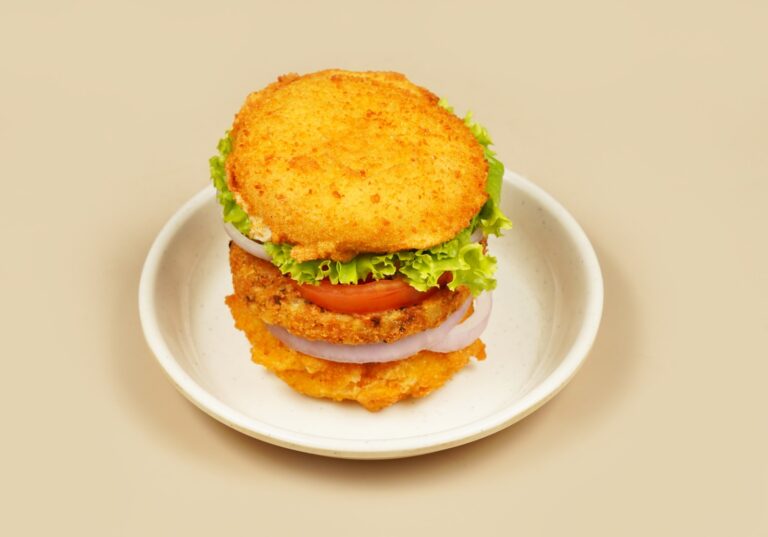
Fried, crumb-coated and pan-seared styles all develop a drier, browned surface, but the textures differ. Kothey typically has a crisp base with a softer top; a kurkure-style coating can be crunchy all around. Crispness may diminish in a closed takeaway box as moisture accumulates. If delivery is long, ask how the restaurant packages sauces and whether the coating travels well.
Decision checklist for the counter
- Do I want a soft, spiced or crunchy texture?
- Is the filling mild or already strongly seasoned?
- Can I choose the sauce separately?
- What are the allergens in the wrapper, coating and marinade?
- Is this for dine-in, takeaway or a later meal?
If you are sharing, one steamed option and one contrasting style usually provide a better comparison than two nearly identical heavily sauced plates.
A note on nutrition and dietary claims
Fried cooking can add oil, but it is misleading to claim every steamed momo has fewer calories than every crispy momo without the actual recipes and serving weights. Similarly, “vegetable” does not imply vegan or gluten-free; wheat wrappers, dairy sauces and soy seasonings remain relevant.
Check the official Momo Delights menu for current style names and allergen guidance for questions to verify.
For more on the dishes and places behind these flavours, read types of Himalayan momos and Darjeeling momo traditions. Recipes and serving traditions differ across communities.
Frequently asked questions
Which style is least spicy?
Often a plain steamed item, but the filling and dip still need checking.
Is kothey always deep-fried?
No. It is generally associated with a pan-seared finish.
Does crispy stay crisp through delivery?
Not necessarily. Packaging and travel time affect texture.

Leave a comment