

Aa Reading preferences
The appeal of a jhol momo bowl isn’t simply that dumplings are served with more liquid. It’s the way a savoury bite becomes part of a seasoned, spoonable experience. In Nepal, momos have become familiar across urban snack counters, family tables and restaurants, while cooks continue to reinterpret fillings and achar.
Jhol momo is a valuable way to explore that living food culture without reducing it to a single origin story, a single ingredient list or one Kathmandu café.
From dipping sauce to the bowl itself
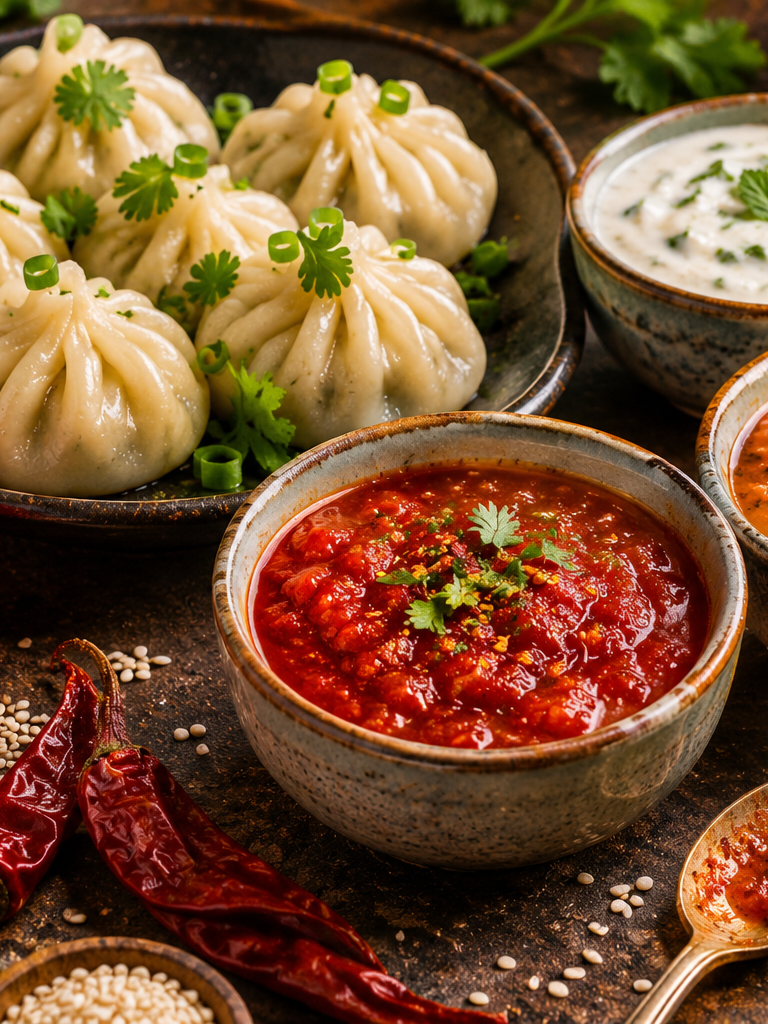
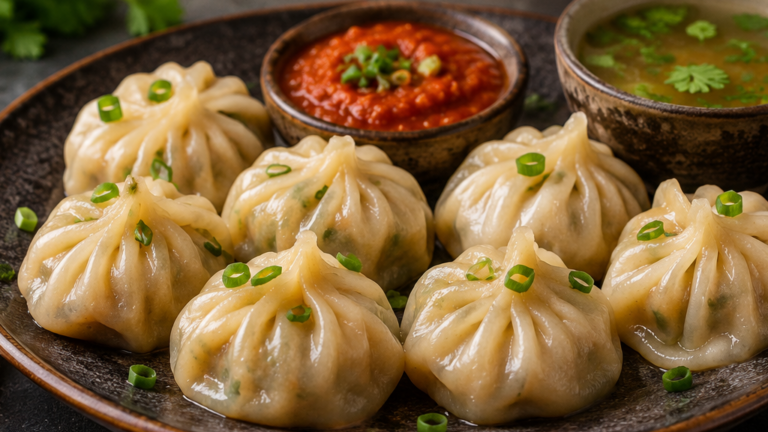
Many momos are served with achar in a separate bowl. In jhol-style presentations, a more liquid, seasoned sauce may surround the cooked dumplings. It can bring acidity, chilli heat, nutty depth and aroma into every mouthful. Tomato-and-sesame preparations are common references, but kitchen recipes differ in spices, concentration and allergens.
Jhol is a deliberate style of serving rather than a mistake caused by thinning ordinary chutney.
Why one ‘authentic recipe’ is not enough
Nepal’s food landscape includes different languages, communities and regional ingredients. Dumpling recipes vary by household, neighbourhood, food business and occasion. A tomato-rich bowl, a stronger sesame achar and a milder interpretation can all reflect different cooks. Without evidence, assigning jhol momo to one inventor or claiming a universal formula would misrepresent that variety.
It is more useful to describe the kitchen and the preparation actually being tasted than to rank versions by unsupported authenticity claims.
The social side of a momo bowl
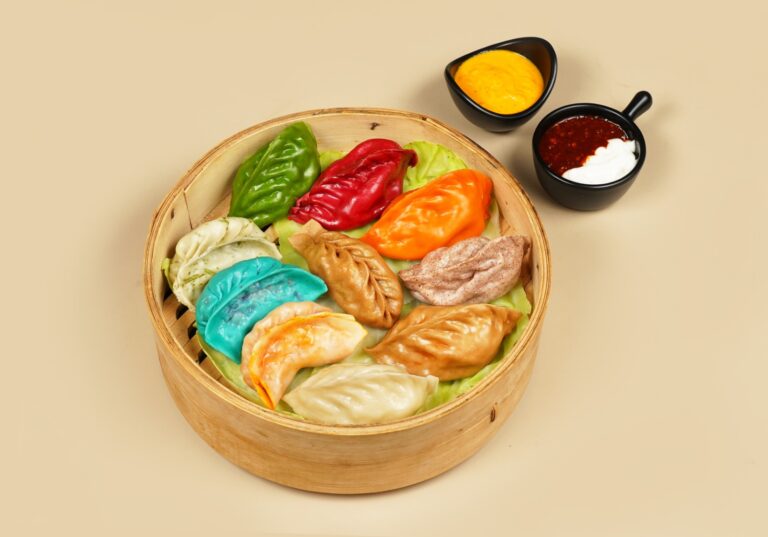
A shared visit to a momo shop gives diners room to compare sauce preferences, spice levels and wrapper textures. A simple plate of steamed momos provides one experience; a jhol bowl invites the spoon as well as the fork. Modern foodservice has expanded these familiar ideas with crunchy, pan-seared and fusion styles, illustrating continuing change rather than a frozen tradition.
A tasting method that reveals the differences
- Try one plain steamed momo and notice the filling.
- Taste a small spoonful of the jhol by itself.
- Take a bite of momo with a little sauce.
- Notice whether tomato acidity, sesame aroma, chilli or other seasonings dominate.
- Compare a fresh bite with a dumpling that has rested in the liquid.
This is a personal culinary observation, not a scientific comparison or a test of cultural authenticity.
Soup and jhol are not interchangeable
| Preparation | Typical emphasis |
|---|---|
| Steamed momo with achar | Dip separately, control intensity |
| Jhol momo | Dumplings bathed in seasoned liquid achar |
| Clear momo soup | Broth, ginger and vegetables |
| Thukpa | A noodle-soup dish rather than a momo preparation |
An allergy question hidden in a beautiful bowl
Sesame and peanuts can appear in some sauce preparations; soy, dairy and wheat can be present elsewhere. A “vegetable jhol” label does not identify every ingredient. Ask whether the jhol uses animal-derived broth and what nut or seed ingredients are blended into it.
For related Himalayan food context read the Momo Delights culture guide. This article is about cultural patterns, not a statement of current outlet menu availability.
For more on the dishes and places behind these flavours, read Darjeeling momo traditions and Sikkim momo traditions. Recipes and serving traditions differ across communities.
Frequently asked questions
Does every jhol momo use sesame?
No. Some do; verify the sauce ingredients.
Is it always very hot?
Heat varies by recipe and kitchen.
Is jhol momo a soup?
It is often described as soupy, but the seasoned liquid achar is a distinctive part of the dish.


Leave a comment