

Aa Reading preferences
College gatherings have a habit of turning into queues. Guests arrive between activities, a few people return for seconds, and everyone wants their food quickly. A momo counter works best when the organiser has already decided the portion, service window and budget rather than negotiating each choice at pickup.
Here’s a practical plan for a vegetarian campus event that prioritises flavour, flow and clear information—without pretending one formula fits every group.
Set three numbers before placing the order
Write down the expected attendees, the percentage likely to eat and whether the momos are the entire meal or one snack among several. For example, 60 attendees × 75% participation × four small pieces equals 180 pieces. Those percentages and quantities are illustrative, not market research. A well-attended evening event with no other food may need a very different allowance.
Ask the supplier for actual pieces per pack and a price that includes tax, transport, staff, sauce and packaging.
Keep the menu narrow and useful
| Element | Practical starting choice |
|---|---|
| Main item | One mild steamed vegetable momo |
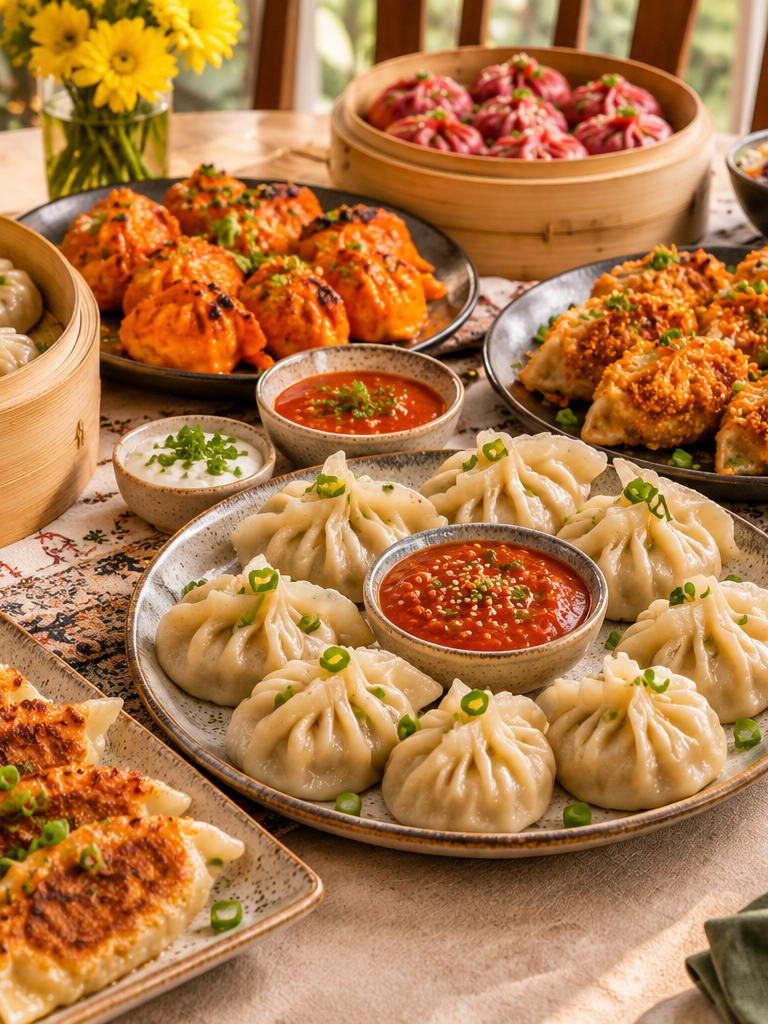
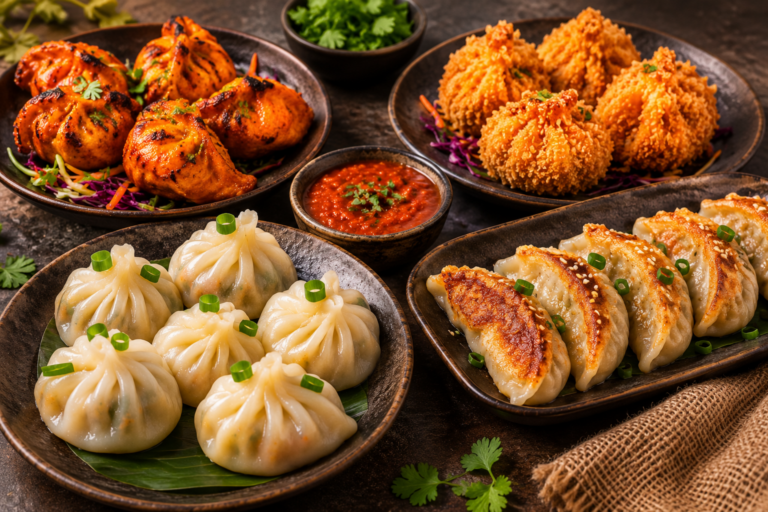
| Contrasting option | One crisp or paneer style if the kitchen can manage it |
| Dips | Mild tomato and separate chilli chutney |
| Label | Filling and the important allergens |
| Serving | Clearly defined number of pieces per ticket |
More choices mean more cooking batches, inventory and handoff mistakes. Add variety only where it improves the event.
Make the queue legible
For ticketed or pre-paid service, collect tokens at the beginning of the line, direct diners to a clear pickup point and place sauces farther along. Avoid keeping people in front of the steamer while the next batch cooks. Keep power leads, hot water and staff movement away from guest traffic.
Budget beyond the price of food
Calculate a simple all-in cost: food + transport + service equipment + plates/cups + staff + waste management. Divide by estimated paid or served portions to understand the event’s real cost. If you expect sponsorship or ticket income, keep it as a separate revenue assumption, not a deduction from the supplier quote.
Record how many servings were actually collected. An event can have 80 registered attendees and only 50 diners.
Dietary preferences and food safety
Students may avoid dairy or eggs, eat vegan diets, or have allergies. Wheat, soy, milk, sesame and peanuts can appear across dumplings and dips. Give people a way to disclose a genuine allergy before the event and confirm whether the supplier can safely fulfil it. Do not promise that a vegetable momo is allergen-free.
Use safe hot holding or small-batch replenishment, not an unrefrigerated tray waiting for the final workshop to end. FSSAI’s hygiene requirements apply to the food business and should be reflected in its service procedures.
A simple post-event record
Track estimated demand, actual pieces served, leftover clean stock, waste, wait times and guest feedback. That tells you whether a second station or a smaller menu would help next time. It is more actionable than reporting only that the event was a “hit”.
See the Momo Delights menu to explore current item names; any bulk or campus service must be confirmed directly with the provider.
To compare options and check current Momo Delights offerings, explore our allergen information and Himalayan momo varieties. Confirm current menu availability and individual dietary needs.
Frequently asked questions
How many momos per student?
It depends on piece size, whether the event serves a meal and how much other food is available.
Are crispy momos ideal for long queues?
They may lose crunch in closed boxes, so test the actual service delay.

Leave a comment