

Aa Reading preferences
“Momos or dim sum?” sounds like a comparison between two dishes. It is not quite. A momo is a recognisable type of filled dumpling with roots in Himalayan food traditions. Dim sum refers to a much broader collection of small Chinese dishes, particularly associated with Cantonese dining and tea.
That distinction helps a diner understand the menu without treating two rich culinary traditions as competing versions of one snack.
What dim sum actually includes
The Hong Kong Tourism Board describes dim sum as a Cantonese small-plates dining experience, commonly enjoyed with Chinese tea. Its beginner guide includes dumplings such as har gow and siu mai, but also bao buns, baked pastries and other savoury or sweet dishes. In other words, not every dim sum item is a dumpling and not every Chinese dumpling appears in the same service format.
A restaurant advertising “dim sum” may be describing a menu category or a shared meal format rather than a single dish. That is why asking “what type of dim sum?” produces a better answer.
What makes a momo recognisable?
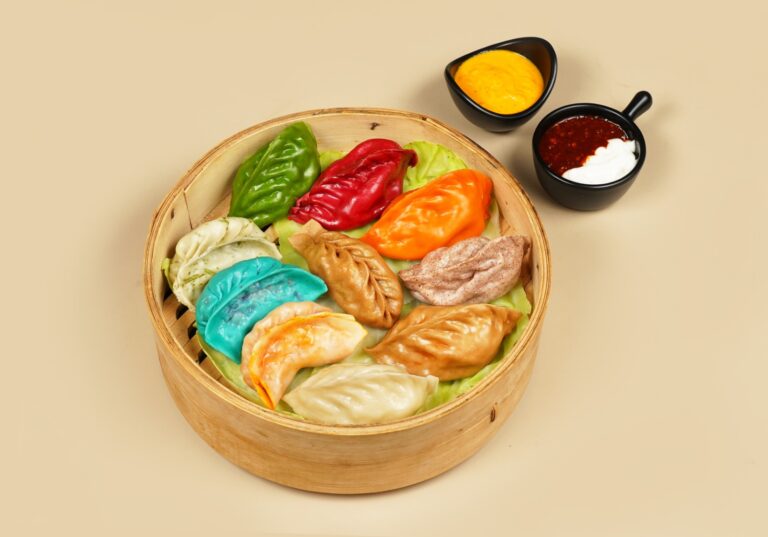
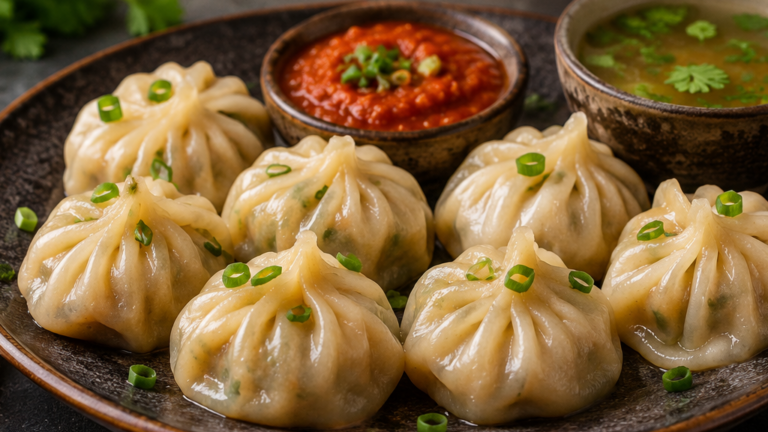
Most familiar momos are individually filled, folded and often steamed, with savoury filling and a dipping sauce or liquid achar. Shapes include crescents and pleated pouches, while contemporary preparations can be pan-seared or fried. The filling and chutney are central to the experience.
The name momo refers to the dumpling, rather than a multi-dish tea meal. That does not make it less diverse: regions and restaurants offer many wrapper, filling and sauce styles.
A practical comparison
| Question | Momos | Dim sum |
|---|---|---|
| Is it one food? | A dumpling family | A broader small-plates category and dining experience |
| Does every item have filling? | Generally, yes | No |
| Are all dishes steamed? | No; fried and pan-seared styles exist | No; steamed, baked and fried dishes exist |
| Is tea part of the setting? | Not required | Closely connected with traditional Cantonese yum cha |
| Can it be vegetarian? | Yes, by recipe | Yes, depending on the selected dishes |
Why a steamer basket is not enough to identify a dish
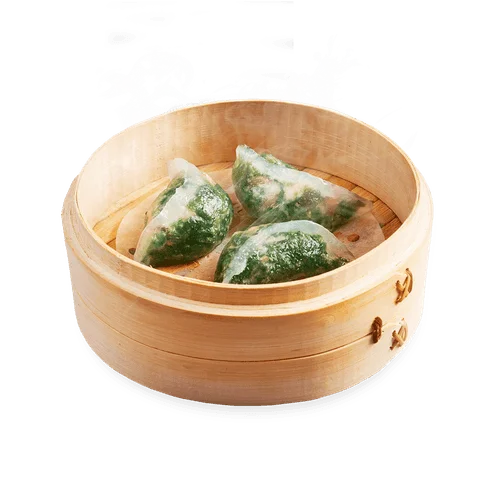
A bamboo steamer can hold momos, bao, siu mai, har gow or many other foods. It is equipment, not a statement about cultural identity. Similarly, pleats are used in multiple dumpling traditions. To understand what you are eating, notice the dough, filling, preparation and menu description.
The Hong Kong Tourism Board’s beginner dim sum guide shows just how many different textures appear in a single meal.
How to build a tasting meal
For dim sum, consider a few contrasting small plates—one delicate steamed dumpling, one bun or roll, and a vegetable dish—rather than ordering six varieties with identical fillings. For momos, you might compare one simple steamed filling with a pan-seared version and serve chutneys separately. This preserves the point of each dining style without making a table too complicated.
Check Momo Delights’ menu for current options; the educational term “dim sum” does not establish availability of a specific Cantonese dish at any outlet.
Allergens: broad categories give few guarantees
Wheat, milk, sesame, soy, seafood, peanuts and egg can appear across these menus, and shared equipment matters. A vegetable dim sum plate is not automatically vegan; a vegetarian momo may still use wheat and dairy. Ask about the complete recipe and cross-contact if you have an allergy.
For further food and cultural background, see Himalayan food traditions. Food traditions and variations differ across communities.
Frequently asked questions
Is dim sum always a dumpling?
No. It includes buns, pastries, rolls and many other small dishes.
Can momos be served as dim sum-style small plates?
A restaurant can adopt a shared-plates presentation, but that does not make the dishes historically identical.
Are momos Chinese?
Momos are strongly associated with Himalayan culinary traditions; simplifying complex food histories to one national label is unhelpful.

Leave a comment