

Aa Reading preferences
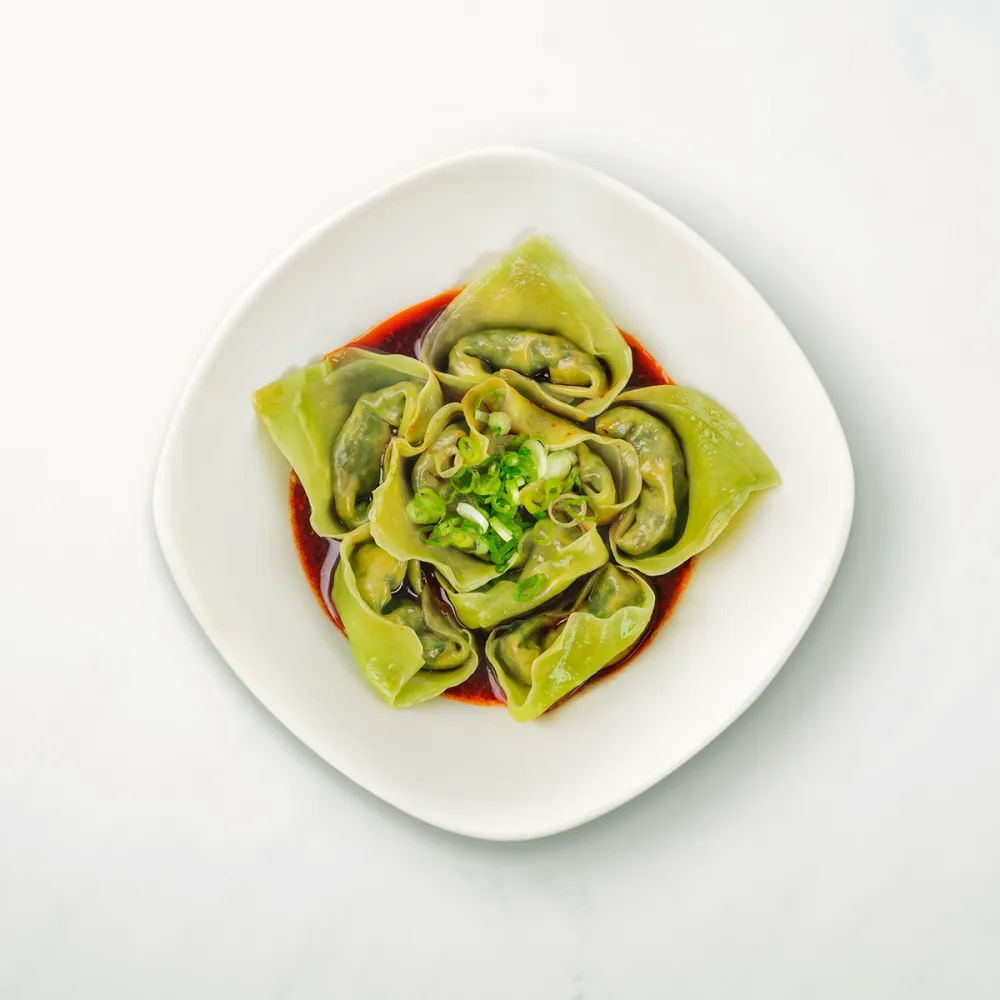
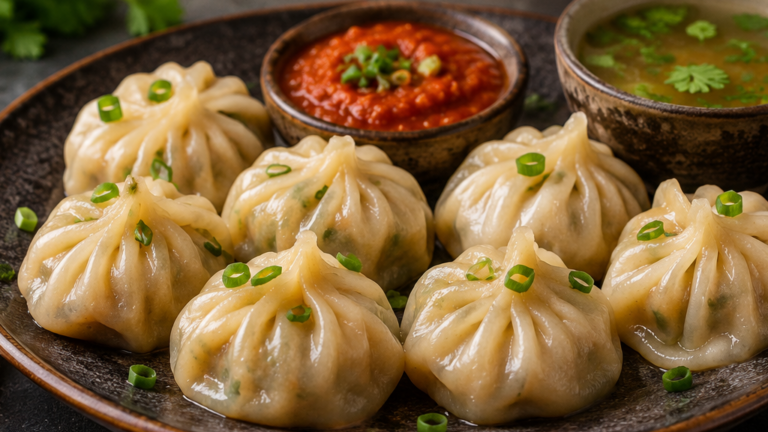
One arrives with carefully pinched folds and a bowl of punchy chutney; another may float in fragrant clear broth. Both are dumplings, but momos and wontons are not simply two names for the same food. They belong to different culinary traditions, with distinct wrapper habits, folding styles and serving contexts.
There is variety within each tradition, so the most useful comparison is not an absolute rule. It is what you can recognise on the plate and what to ask when reading a menu.
The comparison at a glance
| What to compare | Momos | Wontons |
|---|---|---|
| Culinary setting | Himalayan food traditions, including Tibet and Nepal | Chinese culinary traditions, with regional variations |
| Wrapper | Often a rolled, round wheat dough | Often a very thin wheat wrapper, commonly square |
| Common appearance | Pleated pouch or crescent | Folded parcel, triangle or gathered shape |
| Typical serving | Steamed with achar; also fried, kothey or jhol | Often served in soup; also boiled or fried |
| Filling possibilities | Vegetables, paneer and many meat variations | Meat, shrimp and vegetarian adaptations |
These are tendencies; a modern restaurant may present either dumpling in a creative sauce or format.
What changes in the wrapper?
Many momo makers roll individual round wrappers and pleat the edges around the filling. Wontons are commonly assembled from very thin sheets cut into squares or rectangles, although regional shapes and methods vary. The thinner skin can give wontons a delicate, silky quality in broth.
Do not assume the wrapper is gluten-free. Both frequently use wheat. Commercial wonton wrappers may also include egg or other ingredients, while a basic momo dough can be flour and water. Check the actual product if allergies or dietary restrictions matter.
Why wonton soup tastes different from jhol momo
A wonton soup often centres on a seasoned broth that gently carries the dumplings. A jhol momo preparation commonly surrounds momos with a stronger, tangy, spicy liquid achar—for example a sesame-and-tomato-based jhol. A clear vegetarian momo soup is a separate modern serving approach and need not resemble either classic format.
The Chinese-food guide TravelChinaGuide describes thin-skinned wontons in clear soup; Nepali menu examples from Kathmandu illustrate the varied jhol and chutney settings. Neither source means every kitchen follows an identical recipe.
Which should you try first?
Choose steamed vegetable momos if you enjoy a noticeable wrapper, savoury filling and the option to dip at your own pace. Choose wonton soup if you prefer delicate parcels in a bowl of warm broth. To compare fairly, try the dumplings before adding extra chilli oil or a powerful sauce.
For a vegetarian diner, check that the broth does not contain meat or seafood stock. “Vegetable wonton” can describe the filling without establishing the soup’s ingredients.
Questions worth asking when ordering
- Is the dumpling steamed, boiled, fried or cooked in soup?
- What ingredients are in the wrapper and filling?
- Is the soup broth plant-based?
- Does the dipping sauce contain sesame, soy, peanuts or dairy?
- Can sauce be served on the side?
For Momo Delights products, confirm the current item on the official menu and consult its allergen information. An educational comparison is not a product-specific ingredient declaration.
For further food and cultural background, see How to Read an Asian QSR Menu: Momos, Bao, Wontons and Rolls and How to Choose Flour for Momo Wrappers Based on Texture. Food traditions and variations differ across communities.
Frequently asked questions
Are wontons a type of momo?
No. They are different dumpling traditions, even though some folding and cooking techniques overlap.
Are all wontons served in soup?
No. Fried and other preparations are also available.
Can momos be served in a broth?
Yes. Jhol momo and other soupy variations demonstrate that a broth or liquid achar is not exclusive to wontons.

Leave a comment