

Aa Reading preferences
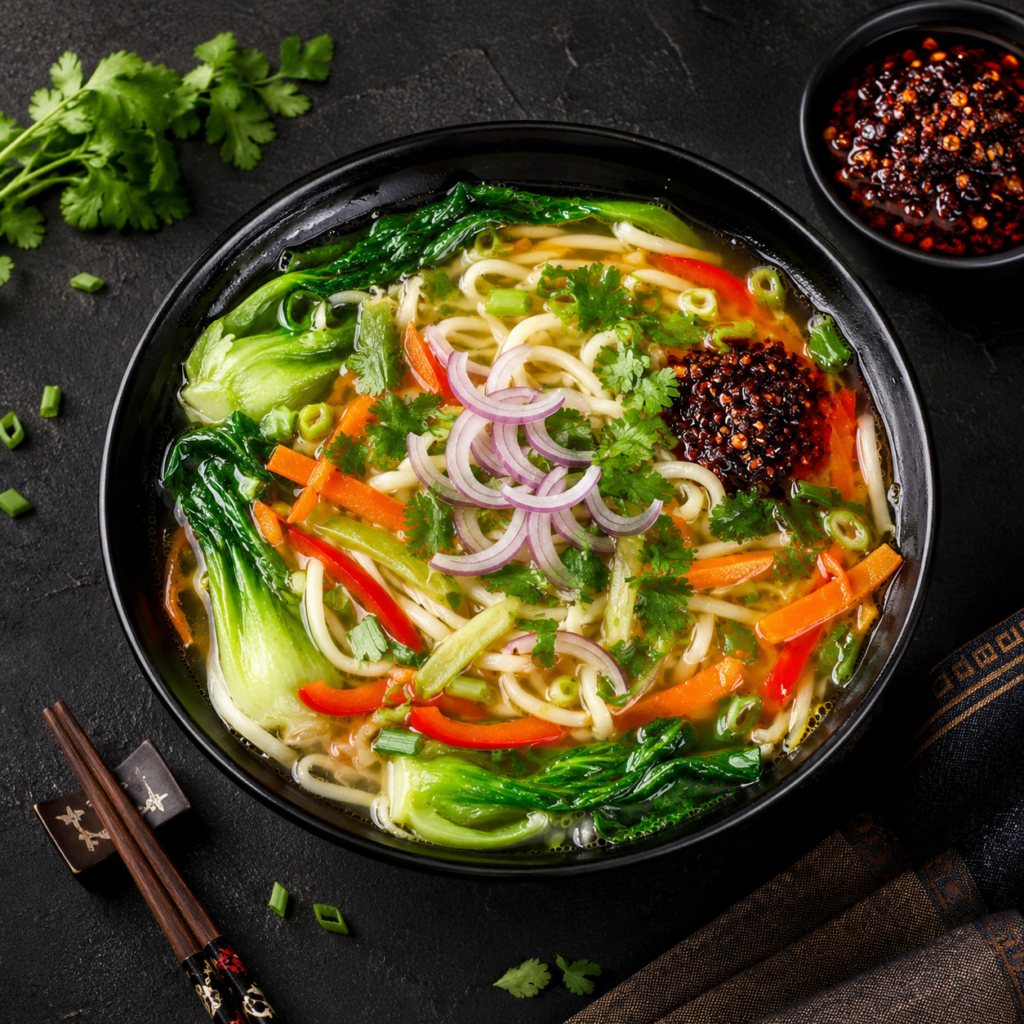
Thukpa vs momos starts with a simple distinction: one is a warming noodle soup, while the other is a filled dumpling. When the weather turns cold, the appeal of thukpa and momos is easy to understand. Both can arrive warm and fragrant, both have deep connections with Himalayan food settings, and both offer comfort without elaborate presentation. Yet the similarity ends at the steam rising from the plate.
Thukpa is a noodle-soup dish; momos are filled dumplings. They can appear on the same table, but they are not two names for the same food.
Thukpa vs momos: the difference at a glance
| Feature | Thukpa | Momos |
|---|---|---|
| Main structure | Noodles in broth | Filling enclosed in dough |
| Typical utensil | Spoon and often chopsticks or fork | Fork, chopsticks or fingers depending on setting |
| Texture | Broth, noodles and vegetables | Wrapper and concentrated filling |
| Serving | Soup bowl | Plate or sometimes a liquid-acher bowl |
| Vegetarian possibility | Vegetable broth and toppings | Vegetable or dairy-based filling |
What local authorities describe
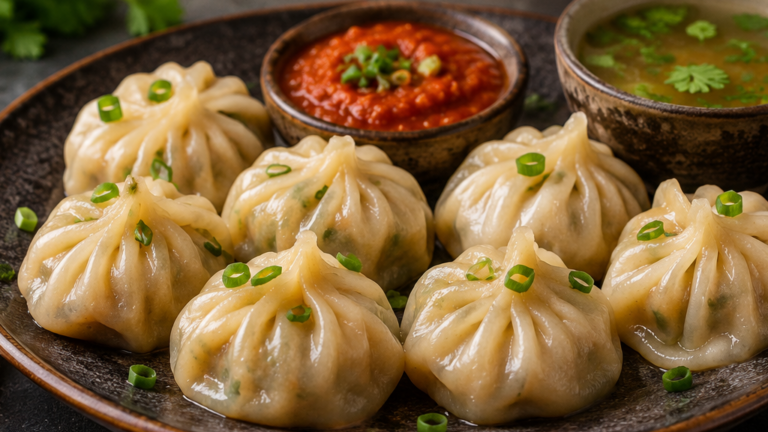
The Sikkim government calls thukpa or gya-thuk a Tibetan-style noodle soup that can use vegetables or meat, while describing momos as steamed flour dumplings filled with vegetables, cheese or meat. The Darjeeling district guide similarly lists thukpa as a soup-based noodle dish and momos with clear soup and achar. These references show a shared culinary setting without collapsing the foods into one category.
What changes on the palate
In thukpa, broth is a major part of each bite. Noodles absorb seasoning and vegetables contribute contrasting textures. A momo centres on an individually wrapped filling: you first bite through dough before reaching the middle. A small cup of soup beside momos is not automatically thukpa, because the noodle element is missing.
How to choose between them
Order thukpa if you want a single soup-led bowl, especially when you enjoy noodles, greens and warm broth. Choose momos if you prefer small filled pieces with control over dipping sauce. To make a varied vegetarian meal, a modest dumpling portion beside a vegetable thukpa can work, though you may want to moderate the total noodles and wrappers to suit your appetite.
The vegetarian question is more than the visible greens
Thukpa may use meat-based stock even when vegetables are visible. Momo sauce may contain sesame or peanuts, and dairy paneer changes vegan suitability. Noodles and wrappers often contain wheat. Ask about the full recipe and cross-contact when allergies or dietary restrictions matter.
For a wider cultural overview, see the Momo Delights Himalayan food guide.
To discover the wider food culture behind these dishes, explore Sikkim momos and Himalayan food traditions, or browse the Momo Delights menu to see current choices at participating outlets.
A gentle home pairing
For a simple meal, make a light vegetable broth with ginger, greens and a modest amount of noodles. Cook the momos independently according to their recipe or package directions, then serve them on a small side plate. This respects the different textures and keeps the soup from breaking delicate wrappers during a long simmer.
Frequently asked questions
Is thukpa a dumpling soup?
Generally no. It is noodle-based, though creative soups may combine noodles and dumplings.
Are both always spicy?
No. Seasoning and dipping sauces vary.
Do both come from one country?
Their histories involve overlapping Himalayan communities; a single national label is too simplistic.

Leave a comment