

Aa Reading preferences
Common Momo Allergens: What Diners Should Ask Before Ordering is an editorial guide for readers and food businesses. Product composition and operating requirements must be checked for the specific item and location.
The wrapper, filling and sauce need separate checks
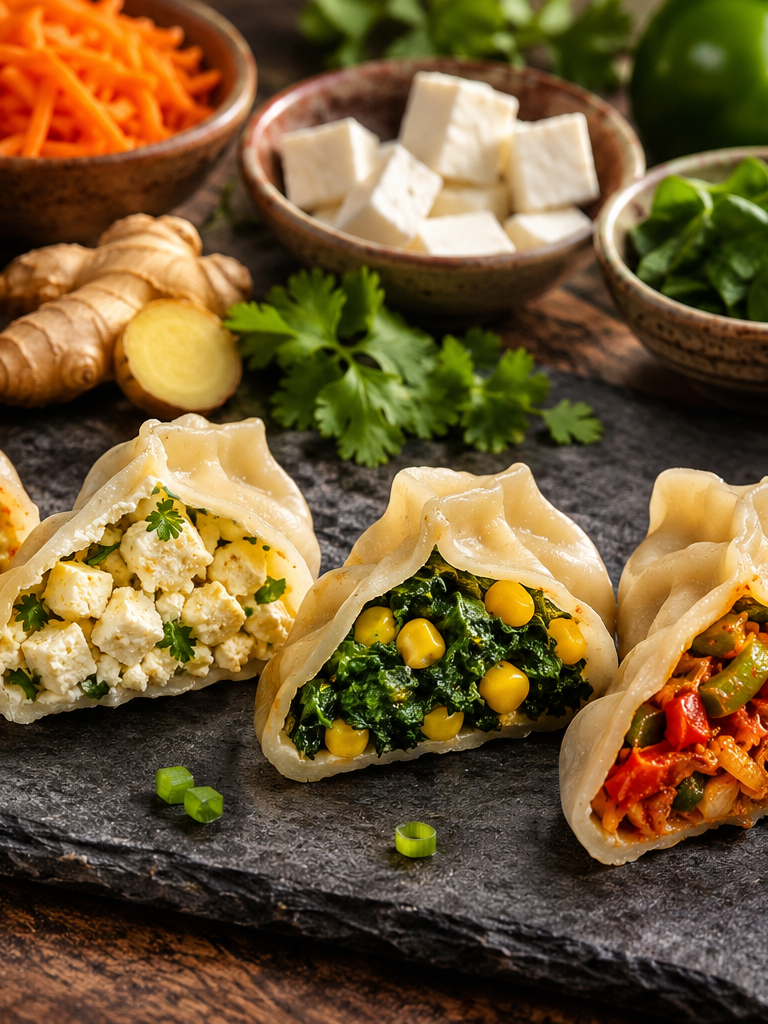
A vegetable momo may use a wheat wrapper even when its filling contains no meat. Paneer and cheese introduce milk; tofu and some sauces introduce soy. Sesame and peanuts may appear in thick achar or nutty dips, while crispy coatings may use wheat, dairy or egg ingredients. A menu photograph cannot disclose any of these reliably.
The US FDA lists nine major allergens under its own labelling rules, including sesame; Indian packaged-food declarations are governed by FSSAI and should not be confused with US requirements. For the exact item, always ask for the latest formulation and label.
A table to check before ordering
| Component | Question to ask |
|---|---|
| Wrapper | Is it made with wheat, egg or milk? |
| Filling | Does it contain paneer, tofu, soy sauce or a seasoning blend? |
| Chutney | Are sesame, peanuts, tree nuts, milk or soy used? |
| Coating | Is the breading made with wheat or egg? |
| Equipment | What is shared with food containing my allergen? |
There is no substitute for checking the kitchen’s current specification. A recipe can change between a previous visit and today’s order.
Vegetarian, vegan and allergen-safe are not synonyms
Vegetarian food may contain milk. Vegan food can contain wheat, soy, peanuts or sesame. Gluten-free describes a different dietary need from milk or peanut avoidance; coeliac disease also calls for attention to gluten cross-contact. Even a perfectly suitable filling may arrive in a wrapper or sauce that a diner cannot eat.
Five questions that produce a useful answer
- Can you verify this specific momo, including the sauce and garnish?
- Does it contain my named allergen directly or through a seasoning?
- Are rolling boards, steamers, fryers and blenders shared?
- What allergen-control preparation can the kitchen actually provide?
- Who can confirm the answer if the counter team does not know?
If the restaurant cannot confirm, do not pressure staff into an unsupported promise. Choose something verifiably suitable instead.
An ordering script that respects the team
Say: “I have an allergy to [ingredient]. Could you check the current recipe, sauce and shared-equipment process before accepting my order? If you cannot safely prepare it, please tell me.” This is clearer than “I don’t like cheese” when dairy exposure is a medical concern.
FARE recommends direct communication and cross-contact precautions. Anyone with a diagnosed severe allergy should follow their clinician’s personal emergency plan, including prescribed medication when relevant.
Read packaged products, too
FSSAI’s Eat Right India label guide advises checking ingredient lists, manufacturing information and relevant allergy-causing ingredients. Check every pack, even if you bought that brand before. For Momo Delights products, review the brand’s allergen information and request SKU-specific confirmation from the outlet. This article does not certify a product as allergen-free.
For useful background on Himalayan food and momo varieties, read A Vegetarian Customer’s Checklist for Ordering Asian Snacks and Should You Add Momos to a Wedding Snack Counter? A Logistics Guide. Regional techniques and ingredients may vary.
Frequently asked questions
Are vegetable momos always safe for an allergy?
No. Their wrapper, dip and preparation equipment may introduce allergens.
Is paneer a milk ingredient?
Conventional paneer is made from milk.
Is sesame only a garnish?
No. It can be ground into achar or jhol.

Leave a comment