

Aa Reading preferences
How to Reheat Vegetarian Momo Soup Safely Without Mushy Dumplings is an editorial guide for readers and food businesses. Product composition and operating requirements must be checked for the specific item and location.
Store the soup well before you plan to reheat it
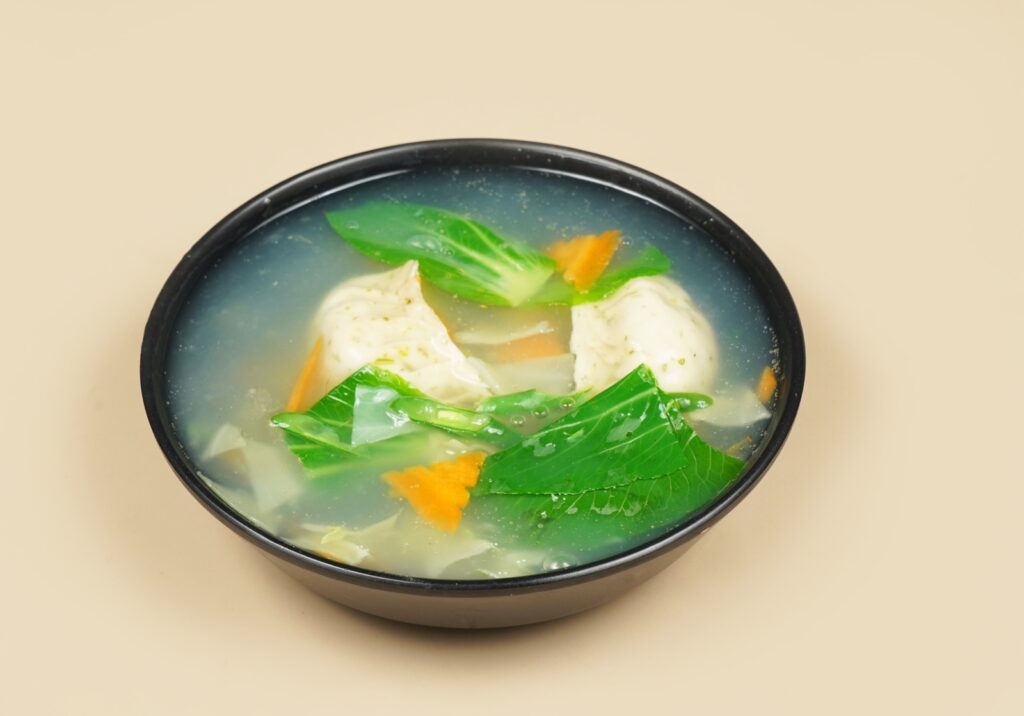
The best leftover soup starts with safe storage, not a clever reheating trick. Put perishable food into shallow clean containers and refrigerate promptly; under USDA household guidance, within two hours or one hour if the surroundings are above 32°C/90°F. Keep the refrigerator around 4°C/40°F or below. Discard food left out overnight, even if the liquid still smells appetising.
Separate broth and cooked momos when possible
Dumpling wrappers absorb broth as they stand. A separate container helps preserve their shape and makes it easier to reheat broth to a boil without simmering delicate dumplings to pieces. Label the date and any wheat, soy, milk or sesame ingredients. For properly handled leftovers, USDA generally recommends use within three to four days; a specific recipe or doubtful temperature history may require earlier disposal.
The stovetop method
- Transfer the cold broth to a clean saucepan.
- Stir while reheating thoroughly. USDA guidance says reheated soups, gravies and sauces should be brought to a boil.
- Warm the cooked momos separately or add them after the broth is heated, depending on the recipe.
- Check that the dumpling centres have been reheated thoroughly.
- Combine and serve immediately, adding delicate herbs at the end.
Boiling the broth is compatible with a soft dumpling only if you avoid unnecessarily long vigorous cooking after combining.
The microwave method
Use a microwave-safe bowl and lid with appropriate venting. Stir the liquid and rotate or move dumplings during heating because microwaves can form cold spots. Allow standing time and check the temperature at representative points. USDA household guidance specifies reheating leftovers to 74°C/165°F. Do not use a takeaway carton in a microwave unless the material is rated for that purpose.
The food-service distinction in India
FSSAI’s published catering Schedule 4 direction specifies reaching a 75°C core temperature for reheating in that framework. It also distinguishes reheating from hot holding and restricts improper indirect warming. Commercial kitchens should follow current applicable Indian requirements and their validated SOP, rather than automatically substituting US household numbers.
Why leftovers become cloudy or broken
| Problem | Cause | Better next attempt |
|---|---|---|
| Cloudy broth | Wrapper starch leaches into liquid | Store separately and combine late |
| Torn momos | Long soaking and rough stirring | Use gentle handling |
| Cool centre | Uneven reheating | Check with a food thermometer |
| Salty taste | Liquid reduced too much | Adjust carefully with clean water |
Never use heat to erase an unsafe history
Food mishandled for hours cannot necessarily be made safe by boiling or microwaving it again. If the delivery or leftover storage history is uncertain, take the conservative approach. For branded ready-to-cook frozen momos, follow the pack’s specific cooking instructions rather than treating this leftover-soup method as a raw-product recipe.
See the Momo Delights menu for current offerings, which may differ by outlet.
For additional foodservice guidance, see Vegetarian Himalayan Dumplings: Traditions and Variations and Quick Weeknight Dinner Ideas Using Frozen Vegetarian Momos. Use verified product specifications and food-safety procedures.

Leave a comment