

Aa Reading preferences
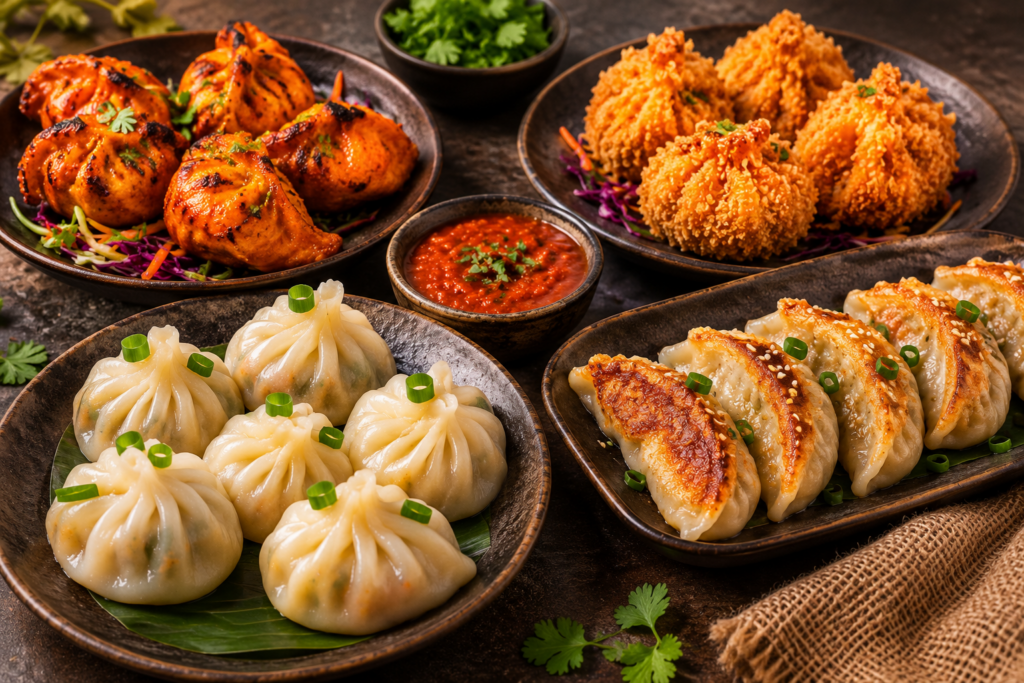
Steamed and fried momos can start with nearly identical wrappers and fillings, yet feel like different dishes on the plate. Steam keeps the outer surface tender; frying creates a more browned, crisp exterior. Both can be enjoyable. The choice depends on the texture you want, the preparation method and what the whole meal contains.
The question “which is healthier?” deserves more than a vague claim about frying. Ingredient weights, oil absorption, portion size and sauces are all necessary for a meaningful comparison.
What happens during steaming?
In steaming, hot water vapour transfers heat to the dumpling. The wrapper hydrates and sets while the filling cooks inside. The surface usually stays soft, making the folds and texture of the filling easy to notice. Steaming need not add cooking oil, though recipes may still include oil in the filling or use a small amount on the tray.
The drawback is sensitivity to timing and condensation: overlong steaming or wet holding can make the wrapper soggy, while prolonged exposure after cooking can dry it.
What happens during frying?
In deep frying, hot cooking oil surrounds the dumpling and drives browning and surface dehydration. The wrapper becomes crisper and often richer. Oil can be absorbed to a degree that depends on coating, temperature, time and handling. A pan-seared momo uses less oil by method than full deep frying but may have a crisp base while the upper wrapper stays soft.
Some restaurants steam momos first and then fry or toss them in a sauce. Ask whether the menu item is pan-seared, shallow-fried or deep-fried if texture or oil intake matters to you.
A practical side-by-side comparison
| Feature | Steamed | Fried |
|---|---|---|
| Wrapper | Soft, tender and flexible | Crisp, browned exterior |
| Added cooking oil | May be minimal in steaming itself | Used as cooking medium |
| Filling flavour | Usually more exposed to taste | Accompanied by toasted wrapper notes |
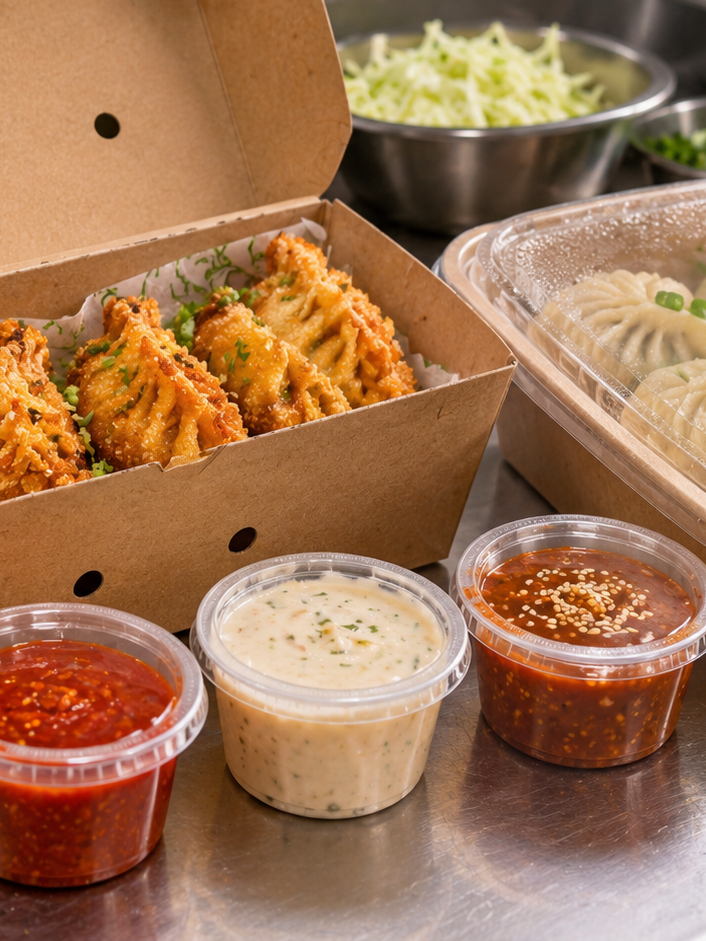
| Takeaway quality | May soften from condensation | Crunch can fade in a closed box |
| Best sauce approach | Dip to taste | Sauce on the side to protect crunch |
Does steaming always mean fewer calories?
If two servings have identical dough and filling and one is deep-fried with absorbed oil while the other is steamed without added oil, the fried version will typically include additional energy from that oil. But a real menu comparison rarely controls every variable. A steamed cheese momo with a rich creamy sauce could differ substantially from a small lightly fried vegetable momo.
Without verified portion weights, ingredients and oil uptake, assigning a universal “X calories per momo” is misleading. Ask for nutrition information when available; do not infer it from photographs or whether the dumplings look dry.
What about heart health and sodium?
Oil quantity, oil type, total dietary pattern, portion and sodium all influence nutrition considerations. A fried product may be more energy-dense, while either version may contain substantial salt from the filling, soy sauce, chutney or seasoning. Choosing steamed does not automatically make a very salty sauce low in sodium.
For personalised dietary needs, seek advice from a qualified professional. A varied diet and portion awareness are more useful than ranking one occasional snack as universally good and the other universally bad.
Food safety: cook the filling, not only the wrapper
Whether steaming or frying, a browned exterior does not prove a raw filling is fully cooked. Follow the food product’s instructions and verify required internal temperatures. FoodSafety.gov lists 74°C/165°F for poultry and reheated leftovers. Do not treat a universal cooking time as a substitute for checking a particular dumpling.
If buying frozen ready-to-cook momos, check whether the package specifies steaming, frying or another safe method. Some products are not designed to be cooked directly in oil.
Which one suits your occasion?
For a lunch where you want to taste a delicate filling and eat straight from the steamer, steamed momos are a natural choice. For a shared snack with a strong textural contrast, fried or pan-seared momos can be appealing. For takeaway, consider which texture is most likely to survive the journey: steam can soften crunchy coatings, and delayed serving can affect tender wrappers.
Explore Momo Delights’ menu for current preparation styles and check individual items’ ingredients before ordering.
FAQs
Are steamed momos always oil-free?
No. The filling or surface preparation may still contain oil.
Are fried momos necessarily unhealthy?
Nutrition depends on recipe, quantity, oil and the rest of the meal; avoid categorical judgments.
Do fried momos stay crisp during delivery?
Not always. Humidity inside packaging can soften the coating.
Can I judge calories by appearance?
No. Accurate estimates require recipe and portion data.
For related information on Himalayan momos, see Tingmo vs Momos: Tibetan Steamed Bread and Filled Dumplings and How to Choose Between Steamed, Spiced and Crispy Momos. Regional preparations and customs can differ.

Leave a comment