

Aa Reading preferences
A supplier tasting is easy to turn into a contest for the most memorable sauce or the crispest first bite. Restaurants need a more disciplined question: will this product serve consistently, safely and profitably across an ordinary shift? A good tasting compares the wrapper, filling, seasoning, holding performance, service yield and documentation—not just the sample that tastes best straight from the steamer.
This scorecard is an illustrative procurement tool for a restaurant, café, cloud kitchen or hotel. It is not a certification, laboratory test or Momo Delights supplier promise.
Screen for food-safety readiness before tasting
Ask each supplier for applicable business details, ingredient and allergen specifications, frozen storage guidance, cooking instructions, shelf-life and batch traceability information. Inspect sample packaging and delivery condition. For business operations in India, refer to FSSAI’s hygiene requirements, which describe food-safety management, manufacturing and handling practices.
Pass/fail gate: if a sample has damaged packaging, questionable temperature history, inadequate allergen information or no reliable cooking instructions, pause evaluation until the issue is resolved. A high flavour score should not override a food-safety failure.
Use the same cooking method for every supplier
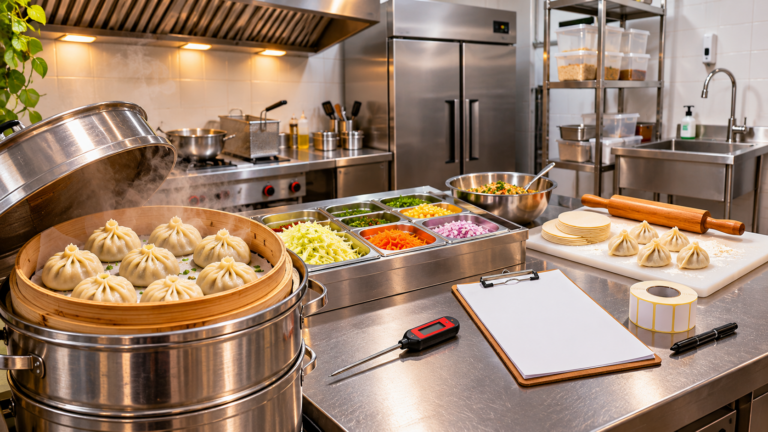
Code the samples A, B and C so tasters are not influenced by the brand name. Record product size and frozen weight. Cook comparable batches in the same equipment under each product’s documented instructions; do not use an identical time if suppliers have different verified cooking requirements. Serve in the same sequence and record the tasting temperature.
For a fair comparison, start with the plain cooked momo, then test each with the intended house chutney. It is difficult to judge filling quality if every piece is drowned in a different sauce.
A simple 100-point scorecard
| Criterion | Points | What to evaluate |
|---|---|---|
| Appearance and portion consistency | 15 | Size spread, seam integrity, broken pieces |
| Wrapper texture | 20 | Even cooking, tenderness, thickness |
| Filling quality | 20 | Moisture, distribution, ingredient texture |
| Seasoning and aftertaste | 20 | Balance, repeatability, compatibility with sauce |
| Service performance | 10 | Handling and short holding test |
| Documentation and operational fit | 15 | Clear labels, reliable instructions, traceability, pack usability |
These weights are an example. A premium restaurant may weight texture more heavily; an institutional caterer may place extra emphasis on portion consistency and service logistics. Document your own priorities before samples arrive.
Do a short, controlled holding test
A momo that tastes excellent the instant it leaves a steamer may change during a normal service window. Check it at the time points that match your safe hot-holding process. Note whether the wrapper dries, the filling loses moisture, or sauce causes sogginess. Food must remain within applicable safe temperatures during the test; do not hold cooked dumplings at room temperature for convenience.
Compare true serving cost—not pack price
Calculate: landed pack cost ÷ usable servings. Include freight, packaging, cooking energy, breakage and portion variation where meaningful. Consider the real number of salable pieces after the normal cooking process. A lower-cost pack can become more expensive if pieces tear or guests perceive an inconsistent portion.
Work with your own data; do not treat a single sample day as a forecast. Keep a separate record of wastage, packaging and kitchen labour before setting a final menu price.
Supplier questions worth asking in writing
- How are ingredients and allergens documented by SKU?
- How is batch identification communicated?
- What cooking and storage instructions apply?
- What happens if a delivered lot is damaged or out of specification?
- How are substitutions, production changes and recipe updates communicated?
- What are the minimum-order, lead-time and payment terms?
Run a second tasting before deciding
Ask for a second batch on a different date where practical. Compare scores and preparation notes, not just averages. A reliable product should perform consistently across lots and staff members. For suppliers under consideration, confirm paperwork and commercial terms through your own procurement process.
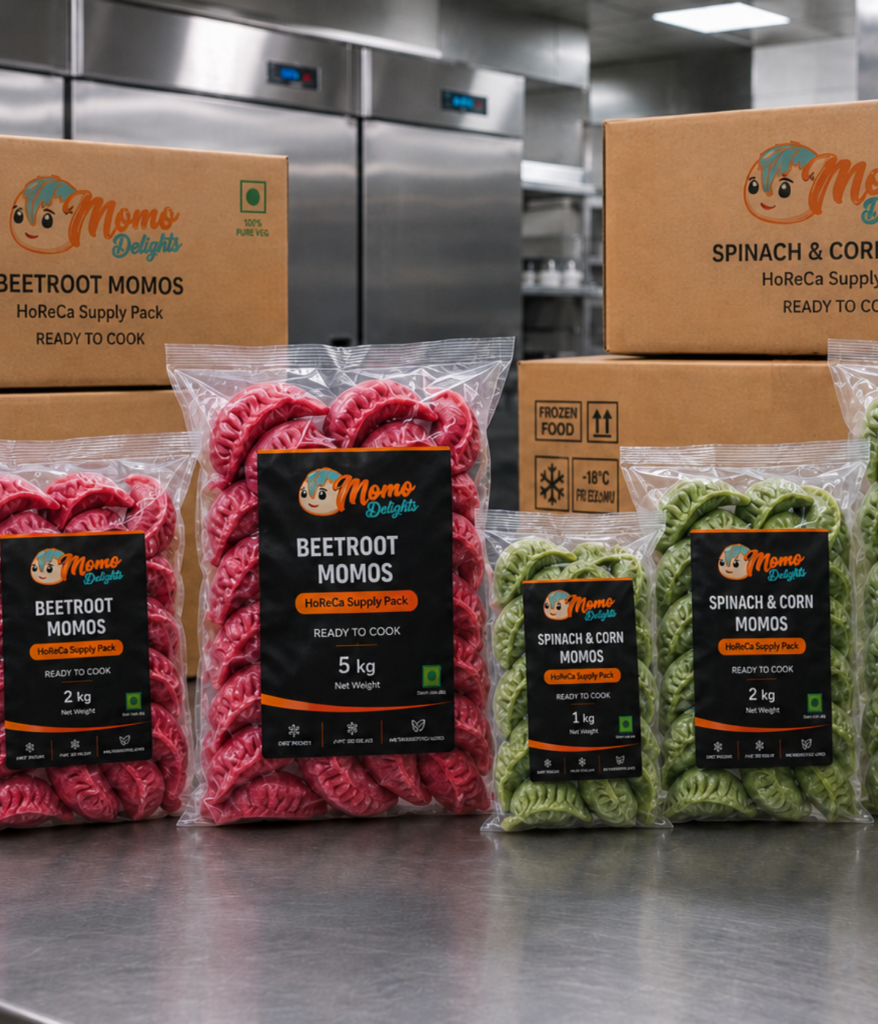
For a conversation about product options and professional supply, see Momo Delights HoReCa and B2B supply. Its enquiry page does not replace a product-specific specification or contract.
FAQs
Should all tasters know the supplier names?
Blind coding reduces bias and helps make a fairer first assessment.
Does this score prove food safety?
No. Safety requires separate supplier documentation, process controls and applicable testing.
How many samples are enough?
That depends on supply volume and risk. A single tasting is a screening step, not proof of ongoing consistency.
Sources: FSSAI — food hygiene requirements; Momo Delights — HoReCa/B2B information.
For practical foodservice resources, read Switching Frozen Momo Suppliers: A Restaurant Quality Checklist and Frozen Momo Supplier Onboarding: Documents Restaurants Should Request. Verify current product details and safety procedures.

Leave a comment